
Marine Topside Paint: Protection and Finishes for Above-Water Areas
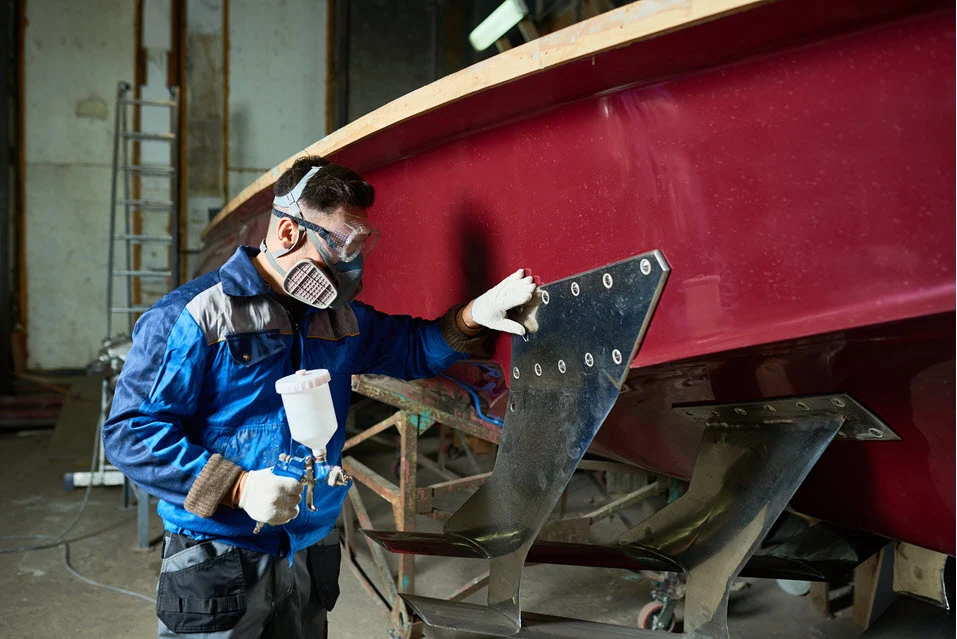
Marine Topside Paint: Protection and Finishes for Above-Water Areas
Marine vessels are exposed to salt spray, humidity, sunlight, rain, wind, abrasion and changing operating conditions. While the underwater hull requires specialised protection against immersion and marine fouling, the areas above the waterline have their own coating requirements. This is where marine topside paint plays an important role.
Topside coatings are used on exposed areas such as vessel sides, superstructures, external decks and other above-water surfaces. Depending on the vessel and operating environment, the coating system may include a primer, intermediate coat and decorative or protective finish.
Choosing the right system is not simply about selecting a colour. The coating must be suitable for the substrate, environmental exposure, surface condition, expected wear and the requirements of the particular vessel area.
What Is Marine Topside Paint?
Marine topside paint refers to coatings used on above-water areas of boats, ships and other marine structures. These areas are generally exposed to atmospheric conditions rather than continuous underwater immersion.
Topside surfaces can include external hull areas above the waterline, superstructures, external decks and other exposed vessel structures. Different areas may experience different levels of sunlight, salt spray, foot traffic, mechanical impact and chemical exposure.
For this reason, topside painting should normally be considered as part of a complete marine and protective coating system, rather than as a single layer of decorative paint.
Why Do Above-Water Vessel Areas Need Protective Coatings?
Above-water surfaces are still exposed to conditions that can gradually damage steel and existing coatings. Salt carried by marine air can settle on exposed surfaces, while moisture and humidity can contribute to corrosion when the protective coating system is damaged or poorly maintained.
Sunlight is another consideration. Some coating technologies are more suitable for long-term atmospheric exposure and maintaining colour and gloss than others. Mechanical wear can also occur around decks, access areas, equipment locations and other high-use sections of a vessel.
A properly selected coating system therefore has two important roles: helping protect the underlying substrate and providing an appropriate surface finish for the service environment.
For more information about the relationship between marine coatings and corrosion protection, see our guide to marine paint for corrosion protection.
Which Areas Are Considered Topsides?
The exact boundaries can vary according to vessel design and coating specifications, but above-water marine coating work commonly involves several exposed areas.
Vessel Topsides
Topsides generally refer to the external vessel surfaces above the waterline. These surfaces are exposed to weather, sunlight, salt spray and atmospheric moisture.
The coating system needs to provide appropriate protection while also providing a finish that can be maintained during the vessel’s service life.
Superstructure
The superstructure includes elevated external sections of a vessel such as accommodation blocks, control areas and other structures above the main deck.
Superstructures are highly exposed to sunlight, rain, wind and salt-laden air. AMPP notes that zinc, epoxy and polyurethane systems are commonly used for superstructure protection, while other systems may be selected depending on maintenance requirements and the specific service environment. :contentReference[oaicite:1]{index=1}
External Decks
External decks can experience a combination of weather exposure, moisture, foot traffic, equipment movement and mechanical wear. The coating system should therefore be selected according to the actual conditions expected on the deck.
AMPP notes that epoxy systems are commonly used for deck protection, while high-traffic or high-moisture areas may require additional considerations such as non-skid characteristics. :contentReference[oaicite:2]{index=2}
Boot-Topping Areas
The boot-topping area sits around the waterline and can experience particularly demanding conditions because it may be exposed alternately to water, spray, air and mechanical contact during vessel operations.
AMPP recommends paying particular attention to inspection and repair in boot-topping areas because these surfaces can experience impact during docking and undocking. :contentReference[oaicite:3]{index=3}
Marine Topside Paint Is Usually Part of a Coating System
One of the most important points when selecting topside paint is that the visible finish coat is not necessarily the complete protective system.
A typical marine coating system may include:
- Primer: provides adhesion and helps protect the substrate.
- Intermediate coating: adds film build and contributes to corrosion or barrier protection.
- Topcoat: provides the final surface finish and may provide additional resistance to weathering, UV exposure and other atmospheric conditions.
The actual number of coats and coating technology should always follow the manufacturer’s technical specification and the requirements of the particular vessel area.
For example, PPG SigmaCover 350 is a two-component high-build polyamide-cured epoxy primer/coating that Morven lists for marine applications including topsides, decks, superstructures and cargo holds. It can be applied to steel and concrete and is designed for corrosion protection and resistance to impact and abrasion. :contentReference[oaicite:4]{index=4}
Polyurethane Topcoats for Marine Above-Water Areas
Polyurethane finishes are commonly used where a durable finish, colour retention and appearance are important considerations.
One example is International Interthane 990, which is listed by Morven as a two-pack acrylic polyurethane finish for above-water areas including topsides, external superstructures, external decks and boot tops.
The manufacturer’s current information describes Interthane 990 as a two-component, high-gloss aliphatic acrylic polyurethane finish for above-water areas. It can be applied by spray, brush or roller. :contentReference[oaicite:5]{index=5}
This illustrates why the selection of a marine topcoat should be based on the actual service area rather than simply choosing a paint because it has a particular colour or gloss level.
PPG Sigma Options for Marine Topside Coatings
PPG Sigma products available through Morven include coating technologies that can form different parts of a marine coating system.
PPG Sigmadur 550, for example, is listed as a two-component aliphatic acrylic polyurethane finish. Its listed characteristics include resistance to atmospheric exposure and colour and gloss retention. :contentReference[oaicite:6]{index=6}
For primer and anticorrosive protection, PPG Sigmaprime 200 is a universal epoxy anticorrosive primer listed by PPG for applications including decks, topsides and superstructures. :contentReference[oaicite:7]{index=7}
These examples demonstrate the difference between a primer or intermediate coating and a final finish coat. The products should be selected and combined according to the manufacturer’s approved coating system and the vessel’s specific requirements.
Surface Preparation Before Applying Topside Paint
Even a technically suitable marine coating can perform poorly if the surface is not properly prepared.
Before coating, the surface should be assessed for existing paint condition, rust, oil, grease, salts, dirt, moisture and other contaminants. Loose or failing coatings may need to be removed, while sound existing coatings may require suitable cleaning and preparation before recoating.
Surface preparation requirements depend on the substrate and the coating system. For example, the Morven product information for SigmaCover 350 specifies different preparation levels for blast-cleaned steel, coated steel and existing coating systems. :contentReference[oaicite:8]{index=8}
Our guide on how to prepare and apply marine paint covers surface preparation, application and coating practices in more detail.
Marine Topside Paint and Saltwater Exposure
Above-water does not mean that a surface is isolated from the marine environment. Salt spray and airborne contaminants can settle on external vessel surfaces, particularly in coastal and port environments.
When a coating becomes damaged, moisture and contaminants can reach the underlying substrate and contribute to corrosion. This makes regular inspection and maintenance important even for surfaces that are not continuously submerged.
Our article on why saltwater accelerates corrosion in Nigeria’s marine environment explains how marine exposure contributes to corrosion and why coating maintenance matters.
How to Choose the Right Marine Topside Paint
There is no single topside coating that is suitable for every vessel or every above-water surface. Consider the following before selecting a coating:
- Vessel area: determine whether the coating is for topsides, superstructure, deck, boot-topping or another area.
- Substrate: identify whether the surface is steel, aluminium, concrete or another material.
- Existing coating: establish what coating system is already present and whether the new product is compatible.
- Environmental exposure: consider salt spray, humidity, sunlight, rain, chemicals and temperature.
- Mechanical exposure: consider impact, abrasion, foot traffic and equipment movement.
- Appearance requirements: consider colour, gloss and long-term appearance where aesthetics are important.
- Application method: check whether the product is suitable for airless spray, conventional spray, brush or roller.
- Recoating requirements: follow the manufacturer’s specified drying and overcoating intervals.
- Complete coating system: make sure the primer, intermediate coat and topcoat are compatible and specified for the intended service.
For a broader selection framework, read our guide on how to choose the right marine paint.
Marine Topside Paint for Nigerian Marine Conditions
Vessels operating around Nigerian ports, coastal waters and marine facilities can experience high humidity, salt-laden air, intense sunlight and frequent rainfall. These conditions make proper coating selection, application and maintenance important for exposed steel surfaces.
The coating system should be selected according to the actual vessel area and service conditions rather than simply choosing a product labelled as marine paint.
For Nigerian marine and industrial applications, Morven Industrial’s marine paint collection includes marine coating products from manufacturers represented in its product catalogue.
Maintenance of Marine Topside Coatings
Applying a coating is only one stage of protecting a vessel. Regular inspection can help identify coating damage before corrosion becomes more extensive.
Areas showing cracking, blistering, peeling, rusting, mechanical damage or loss of coating integrity should be assessed and repaired using the appropriate preparation and coating procedure.
Cleaning can also be important because accumulated salt and other contaminants can remain on exposed surfaces. Maintenance procedures should always take the existing coating system and manufacturer’s recommendations into account.
Read our guide to marine paint maintenance and coating inspection for additional guidance on maintaining vessel coatings.
Final Thoughts
Marine topside paint is more than a decorative finish. It forms part of a coating system designed for the particular conditions experienced by above-water vessel areas such as topsides, decks, superstructures and boot-topping.
The right system depends on the vessel area, substrate, environmental exposure, existing coating, mechanical demands and required finish. Primers and intermediate coatings can provide the underlying protection, while suitable polyurethane or other finish technologies can provide the final surface characteristics required for atmospheric exposure.
Proper surface preparation, application according to the manufacturer’s specification, inspection and timely maintenance are equally important. Before selecting a product, review the relevant technical data and make sure the complete coating system is suitable for the intended service.
Morven Industrial supplies marine and protective coating products for industrial and marine applications in Nigeria. If you need help identifying a suitable coating system for a vessel, deck, superstructure or other above-water marine surface, contact Morven Industrial with details of the application and existing surface condition.
Posts Widget
-
1

-
2
-
3
-
4