Marine Paint for Corrosion Protection: How Marine Coatings Prevent Rust
Marine Paint for Corrosion Protection: How Marine Coatings Prevent Rust
Marine paint for corrosion protection is an important part of maintaining ships, boats, offshore structures, marine equipment and other steel assets exposed to demanding environments. Steel and other metals can deteriorate when they are exposed to moisture, oxygen, salts and other corrosive conditions. A properly selected and applied coating system helps separate the substrate from that environment and can significantly contribute to corrosion control.
However, marine paint is not simply a layer of colour placed over metal. Different coating technologies are designed for different service conditions. Epoxy coatings, zinc-rich primers, polyurethane finishes and antifouling systems can have different functions within a marine coating system.
Understanding how these coatings work—and where each type is appropriate—is important when planning corrosion protection for a vessel or marine structure.
Why Marine Vessels Are Vulnerable to Corrosion
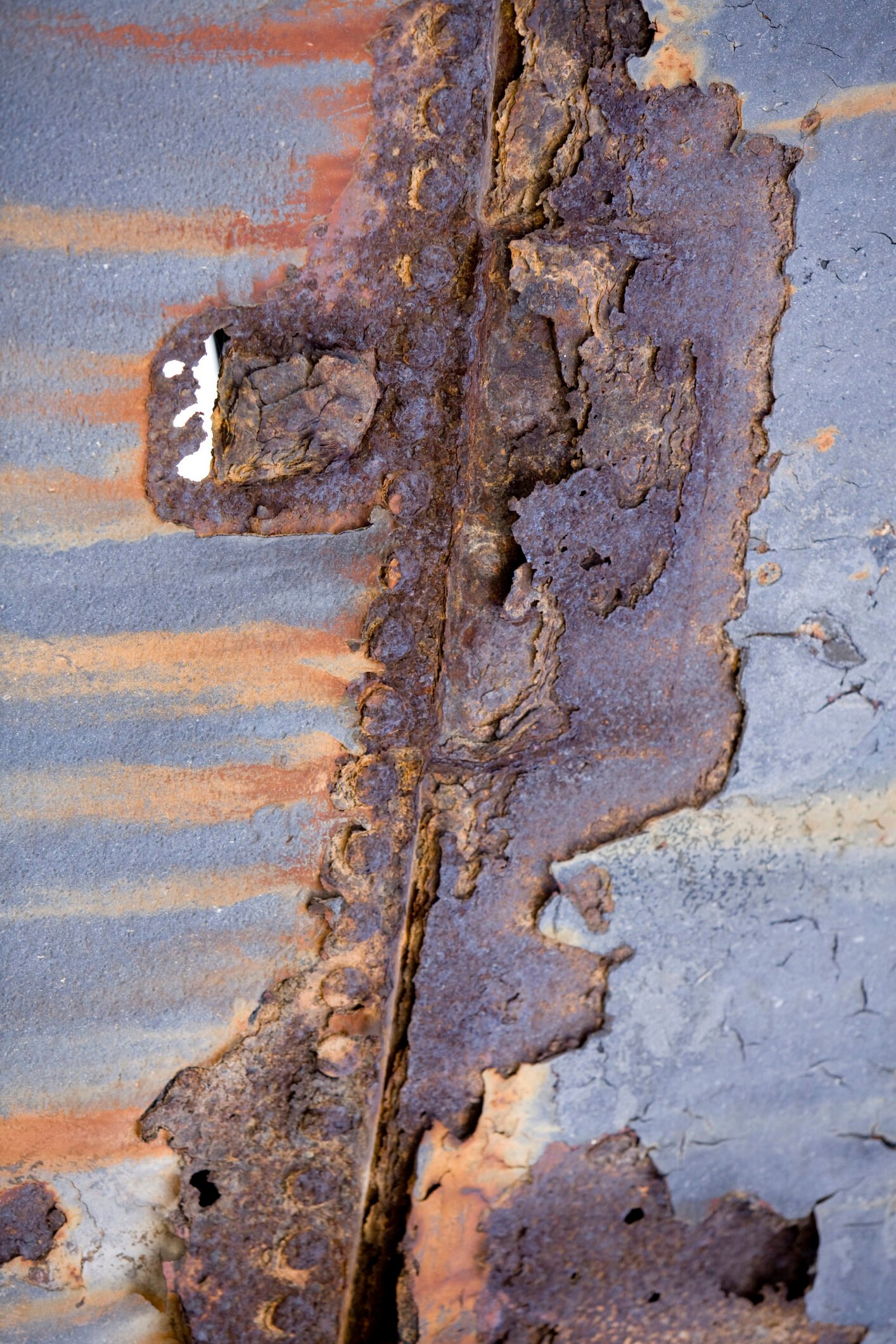
Corrosion is a natural electrochemical process in which metals react with their surrounding environment. For steel structures, water, oxygen and dissolved salts can create conditions that accelerate corrosion.
Marine vessels are particularly exposed because different parts of a ship can encounter seawater, salt spray, humidity, condensation, cargo, chemicals, abrasion and sunlight during normal operation.
AMPP identifies corrosion as one of the most significant problems affecting marine vessels and structures. Its marine coating guidance notes that saltwater supports the electrochemical environment in which corrosion develops, while abrasion and ultraviolet exposure can also damage protective coating systems. See AMPP’s guidance on common marine coating problems.
Once a protective coating becomes damaged or loses its ability to isolate the substrate, corrosion can begin or accelerate at exposed areas.
How Marine Paint Helps Prevent Corrosion
The primary role of many marine protective coatings is to create a barrier between the underlying substrate and the surrounding environment.
When a coating system is properly selected, applied and maintained, it can reduce the contact between steel and moisture, oxygen, salts and other corrosive substances.
This does not mean that marine paint makes steel permanently immune to corrosion. The actual performance of a coating depends on the coating technology, substrate preparation, application conditions, coating thickness, exposure environment, mechanical damage and maintenance.
AMPP describes protective coatings as an important part of marine asset protection and emphasizes that different areas of a vessel require different coating systems according to their service environment. ([ampp.org](https://ampp.org/technical-research/what-is-corrosion/protective-coatings-learning-center/common-marine-coating-problems-and-solutions?utm_source=chatgpt.com))
Marine Coating Systems: More Than One Coat
A common mistake when discussing marine paint is treating the coating as a single product that performs every function.
Many marine coating systems consist of several layers, with each layer serving a particular purpose. Depending on the application, a system may include:
- Primer
- Anticorrosive coating
- Intermediate or build coat
- Tie coat where required
- Topcoat or finishing coat
- Antifouling coating for suitable underwater applications
The exact system depends on the substrate, vessel area, exposure conditions, existing coating, required performance and manufacturer’s specification.
For example, a zinc-rich primer may provide a different type of corrosion protection from an epoxy build coat, while a polyurethane finish may be selected for suitable exposed areas where colour and gloss retention are important.
Types of Marine Paint Used for Corrosion Protection
1. Epoxy Marine Coatings
Epoxy coatings are widely used in marine and industrial corrosion-control systems. They can form a durable barrier over properly prepared steel and can be formulated for high-build, abrasion-resistant and other protective applications.
Morven’s PPG SigmaCover 350, for example, is listed as a two-component, high-build polyamide-cured anticorrosive epoxy primer/coating for marine and protective coating applications including topsides, decks, superstructures and cargo holds. The product is specified for steel and concrete and is described as having good impact and abrasion resistance and excellent corrosion resistance. ([morvenindustrial.org](https://morvenindustrial.org/product/ppg-sigmacover-350/?utm_source=chatgpt.com))
For more information about epoxy technology, read our guide to epoxy marine paint, its properties and applications.
2. Zinc-Rich Primers
Zinc-rich primers are another important technology used in anticorrosive coating systems. They contain metallic zinc and can provide protection to properly prepared steel through mechanisms that differ from a conventional barrier-only coating.
Morven supplies Interzinc 52, a two-component metallic zinc-rich epoxy primer used in anticorrosive systems for aggressive environments. The product information identifies applications including offshore structures, petrochemical facilities, bridges, power plants and other demanding environments. ([morvenindustrial.org](https://morvenindustrial.org/product/interzinc-52/?utm_source=chatgpt.com))
Another zinc-rich product in Morven’s range is Interzinc 22, an inorganic zinc-rich ethyl silicate primer designed for suitable protective coating systems.
3. Epoxy Mastic Coatings
Epoxy mastics are commonly used for maintenance and repair applications where surface preparation conditions and existing coating condition need to be considered.
Jotamastic 90 is a two-component polyamine-cured epoxy mastic coating listed by Morven for repair and maintenance. It is described as surface tolerant, high solids and high build, and is suitable for specified atmospheric and immersed applications. ([morvenindustrial.org](https://morvenindustrial.org/product/jotamastic-90/?utm_source=chatgpt.com))
Surface-tolerant does not mean that surface preparation can simply be ignored. The substrate still needs to meet the product’s specified preparation and cleanliness requirements.
4. Polyurethane Finishing Coatings
Polyurethane coatings can serve an important role as finishing coats in suitable marine coating systems, particularly where appearance, colour and gloss retention are relevant.
They should not automatically be treated as substitutes for every anticorrosive primer or epoxy system. Their suitability depends on the intended service environment and the coating system beneath them.
For example, Interthane 990 is listed by Morven as a two-component acrylic polyurethane finishing product for suitable above-water marine areas including topsides, external superstructure and external decks.
For more information, see our guide to polyurethane paint in Nigeria.
Why Surface Preparation Is Critical
Even a high-performance coating can fail prematurely when it is applied over a poorly prepared surface.
Before applying marine paint, the substrate may need to be cleaned, degreased, mechanically prepared, abrasive blasted or otherwise treated according to the coating manufacturer’s specification.
The objective is to remove contaminants and corrosion products and provide a surface condition that allows the coating system to achieve the required adhesion and performance.
For example, the Morven product information for SigmaCover 350 specifies different preparation conditions for steel depending on the required level of corrosion protection. ([morvenindustrial.org](https://morvenindustrial.org/product/ppg-sigmacover-350/?utm_source=chatgpt.com))
Our detailed guide on how to prepare and apply marine paint explains surface preparation, mixing, application, drying and inspection in greater detail.
How Saltwater Accelerates Marine Corrosion
Saltwater is particularly challenging because dissolved salts increase the conductivity of the electrolyte involved in the electrochemical corrosion process.
Marine structures can also experience repeated wetting and drying, salt deposits, spray and humidity. These conditions can place additional demands on protective coating systems.
For a more detailed discussion of the Nigerian marine environment, see our article on why saltwater accelerates corrosion in Nigeria’s marine environment.
Protecting steel therefore requires more than simply applying a corrosion-resistant product. The coating system must be appropriate for the actual exposure conditions and maintained throughout its service life.
Marine Paint for Different Areas of a Vessel
Different parts of a vessel experience different environments, so one coating system should not automatically be used everywhere.
Underwater Hull
The underwater hull is exposed to continuous or intermittent immersion, depending on the vessel and operating conditions. The coating system may need to address corrosion as well as biofouling.
Antifouling coatings are specifically intended to control unwanted marine organism attachment on submerged surfaces. They serve a different function from a conventional anticorrosive epoxy coating.
Read our article on antifouling marine paint and biofouling prevention for more information.
Decks and Topsides
Decks and topsides can experience moisture, salt spray, abrasion, sunlight, foot traffic and equipment movement. The coating system needs to be selected according to these conditions.
AMPP notes that marine vessels contain a variety of service environments, with different coating systems used for areas such as tanks, decks, hulls and superstructures. See AMPP’s guidance on coating systems for different ship areas.
Ballast Tanks and Internal Spaces
Ballast tanks and other internal spaces can have particularly demanding corrosion conditions. The coating system needs to be selected for the specific contents, exposure, access and operating environment.
The International Maritime Organization has established performance standards for protective coatings in dedicated seawater ballast tanks on applicable new ships. ([imo.org](https://www.imo.org/en/ourwork/safety/pages/protectivecoatings.aspx?utm_source=chatgpt.com))
Marine Paint and UV Exposure
Ultraviolet exposure is another factor that needs to be considered when selecting a coating system, particularly for surfaces exposed to direct sunlight.
However, it is inaccurate to say that all marine paints are inherently UV resistant. Different coating technologies behave differently under prolonged sunlight.
AMPP notes that epoxies can provide useful wear protection but are susceptible to UV degradation, which is one reason a suitable finishing coat may be used over epoxy in exposed environments. ([ampp.org](https://ampp.org/technical-research/what-is-corrosion/protective-coatings-learning-center/common-marine-coating-problems-and-solutions?utm_source=chatgpt.com))
This is why coating selection should consider the complete system rather than simply choosing a product based on its colour or general description.
How Coating Damage Can Lead to Corrosion
A coating system can provide effective protection while it remains properly bonded and sufficiently intact. Scratches, impact damage, abrasion, cracking, peeling and other defects can expose the underlying substrate.
Once steel is exposed to moisture and oxygen, corrosion can begin. Corrosion may then develop around the damaged area and, depending on the coating condition, beneath surrounding paint.
Regular inspection therefore plays an important role in marine corrosion control. AMPP recommends regular inspection because early identification of coating problems can allow repairs before deterioration becomes more extensive. ([ampp.org](https://ampp.org/technical-research/what-is-corrosion/protective-coatings-learning-center/common-marine-coating-problems-and-solutions?utm_source=chatgpt.com))
Our article on marine paint maintenance and extending coating life covers inspection, cleaning, repairs and planned maintenance in more detail.
Choosing Marine Paint for Corrosion Protection
The right marine coating should be selected according to the actual service conditions rather than simply choosing the product described as the strongest or most durable.
Before selecting a coating system, consider:
- Substrate material
- Vessel or structure location
- Atmospheric or immersion exposure
- Saltwater and humidity exposure
- UV exposure
- Expected abrasion and impact
- Chemical exposure
- Existing coating condition
- Required surface preparation
- Dry film thickness
- Application method
- Overcoating requirements
- Inspection and maintenance requirements
The coating manufacturer’s technical data sheet should be used to confirm compatibility, surface preparation, mixing, application, curing and overcoating requirements.
Marine Corrosion Protection in Nigeria
Marine and coastal assets in Nigeria can be exposed to seawater, humidity, salt spray, high temperatures, rainfall and industrial pollutants. These conditions make coating selection and maintenance an important part of protecting steel assets.
Morven Industrial supplies marine and protective coating products for marine, industrial and structural applications in Nigeria. You can browse the Painting and Protective Coating category or explore individual manufacturer ranges.
The Morven website currently includes Sigma Paint, International Paint, Jotun Paint and Hempel Paint product ranges.
For a broader overview of coating options, see our guide to the different types of marine paint and their applications.
Marine Paint Does Not Replace Maintenance
Applying a protective coating is only one part of a corrosion-control programme. Coatings need to be inspected and maintained throughout their service life.
Maintenance may involve cleaning, local repairs, surface preparation, recoating or complete coating renewal depending on the condition of the existing system.
For ships and marine structures, the coating system should be maintained according to the manufacturer’s recommendations and any applicable standards or regulatory requirements. IMO’s protective-coating requirements for applicable ship structures include provisions for in-service maintenance, repair and partial recoating. ([imo.org](https://www.imo.org/localresources/en/OurWork/Safety/Documents/215%2882%29.pdf?utm_source=chatgpt.com))
Final Thoughts
Marine paint plays an important role in corrosion protection by helping separate metal surfaces from moisture, salts, oxygen and other environmental factors that can contribute to corrosion.
But effective marine corrosion protection depends on the complete coating system. The right primer, intermediate coating and finishing coat must be selected for the service environment, applied over a properly prepared surface and maintained throughout the coating’s service life.
Epoxy coatings, zinc-rich primers, epoxy mastics and polyurethane finishes can each have different roles within marine protective coating systems. The appropriate combination depends on the vessel area, substrate, exposure conditions and manufacturer’s specification.
If you are planning a marine corrosion-protection or recoating project in Nigeria, contact Morven Industrial with the vessel or structure type, application area and project requirements so the appropriate coating options can be identified.
Posts Widget
-
1

-
2
-
3
-
4