
How to Choose the Right Marine Paint: A Practical Selection Guide
How to Choose the Right Marine Paint: A Practical Selection Guide
Choosing the right marine paint is not simply a matter of selecting a colour or picking the most durable-looking product. A marine coating system has to match the part of the vessel being protected, the type of exposure it will face, the condition of the surface and the requirements of the complete coating system.
Marine vessels can contain areas with very different operating conditions. Hulls may remain immersed in seawater, while decks and superstructures are exposed to sunlight, rain, salt spray, foot traffic and mechanical wear. Internal tanks can have completely different coating requirements from exterior steelwork.
For this reason, the right approach is to consider the vessel area, substrate, environmental exposure, coating type, surface preparation and application conditions before selecting a marine paint system.
Why Marine Paint Selection Matters
Steel and other vessel surfaces are exposed to moisture, salts, chemicals, abrasion, temperature changes and other conditions that can contribute to coating breakdown and corrosion. A suitable coating system provides a protective barrier between the substrate and its surrounding environment.
However, there is no single marine paint that is suitable for every part of a vessel. Different areas have different service conditions and may require different primers, intermediate coats, finishes or specialised coatings.
For example, epoxy coatings are commonly used in protective coating systems where corrosion resistance and durability are important, while polyurethane finishes may be used on suitable above-water areas where appearance and weathering performance are required.
The selection should therefore begin with the actual service environment rather than the product name alone.
1. Identify the Area of the Vessel Being Coated
The first question should be: Where will the coating be used?
A coating system suitable for an exterior deck may not be suitable for a continuously immersed hull or an internal tank. Different areas of a vessel experience different combinations of water exposure, sunlight, chemicals, abrasion, temperature and mechanical damage.
Common areas to consider include:
- Underwater hulls
- Boot-topping and waterline areas
- Exterior decks
- Topsides
- Superstructures
- Ballast tanks
- Cargo and storage tanks
- Engine and equipment spaces
- Internal steelwork
The Association for Materials Protection and Performance (AMPP) notes that different areas of a ship have different service environments and therefore require coating systems suited to those conditions. Tank coatings, decks, superstructures and other vessel areas cannot simply be treated as one coating application. AMPP’s guidance on coating systems for different areas of a ship provides further technical background.
2. Consider the Environmental Exposure
The environment surrounding the vessel is another major factor in marine paint selection.
Marine coatings may be exposed to seawater, salt spray, humidity, sunlight, rain, chemicals, temperature changes and mechanical wear. The severity of these conditions can vary depending on the vessel’s operating environment and the specific area being coated.
For vessels operating in coastal or offshore environments, salt and moisture can create demanding conditions for steel surfaces. The coating system should therefore be selected according to the expected exposure rather than using the same paint throughout the vessel.
For above-water areas, resistance to weathering and sunlight can also become important. In areas exposed to heavy traffic or mechanical activity, abrasion resistance and the overall coating system may require additional consideration.
If corrosion protection is your main concern, you can also read our guide on why saltwater accelerates corrosion in Nigeria’s marine environment.
3. Choose the Appropriate Marine Coating Type
Marine paint is not one single type of coating. Different products are formulated for different purposes and service conditions.
Marine Epoxy Coatings
Epoxy coatings are widely used in marine and protective coating systems. Depending on the formulation and specification, epoxy coatings can be used as primers, intermediate coats, build coats or other parts of a protective system.
For example, PPG SigmaCover 350 is a two-component, high-build polyamide-cured anticorrosive epoxy primer/coating listed for marine and protective applications including topsides, decks, superstructures and cargo holds.
Another option is PPG SigmaCover 280, a universal epoxy anticorrosive primer used in protective coating systems for applications including ballast tanks, decks, topsides, superstructures, hulls and cargo oil tanks.
Epoxy Mastic Coatings
Epoxy mastics are another category used in maintenance and repair coating systems. They can be useful where existing surfaces or aged coating systems require a suitable maintenance coating approach.
Jotamastic 90, for example, is a two-component polyamine-cured epoxy mastic coating designed primarily for repair and maintenance. Its product information describes applications across marine and protective environments.
The correct product should still be selected according to the manufacturer’s technical data sheet and the actual surface and service conditions.
Zinc-Rich Primers
Zinc-rich primers are used in certain anticorrosive coating systems where zinc-based protection is specified.
Interzinc 52 is a two-component metallic zinc-rich epoxy primer used as part of anticorrosive coating systems for aggressive environments. Products in this category should be used according to their specified application system and technical documentation.
Polyurethane Marine Finishes
Polyurethane coatings are commonly used as finishing coats in suitable above-water applications where appearance, weathering and durability are important considerations.
Interthane 990 is a two-pack acrylic polyurethane finish intended for above-water marine areas including boot tops, exterior superstructures, external decks and topsides. Its product information specifically advises against continuous immersion.
This is an important example of why the vessel area must be considered before choosing a coating. A product designed for an above-water finish should not automatically be assumed to be suitable for an immersed area.
Tank and Immersion Coatings
Internal tanks can have specialised requirements depending on what the tank contains and the conditions inside it.
Interline 850, for example, is an epoxy phenolic coating intended for tank applications, including potable-water-related use subject to the applicable application guidelines.
Tank coating selection should always be based on the tank contents, service conditions, preparation requirements and the manufacturer’s specified coating system.
4. Check the Substrate and Existing Surface
The condition and material of the surface being coated can significantly influence the coating system that should be used.
Before selecting a product, determine whether the substrate is carbon steel, stainless steel, aluminium, concrete or another material. If the surface already has an existing coating, its condition and compatibility with the proposed system also need to be considered.
Rust, oil, grease, salts, moisture, dust and other contaminants can interfere with coating adhesion and performance. Surface preparation should therefore be treated as part of the coating system rather than as a separate afterthought.
For example, the product information for PPG SigmaCover 350 specifies different preparation conditions depending on the required level of corrosion protection and substrate condition.
5. Pay Attention to Surface Preparation
Even a technically suitable marine coating can perform poorly if the surface has not been prepared correctly.
Surface preparation may involve cleaning, removal of oil and grease, removal of corrosion products, abrasive blasting, power-tool cleaning or other preparation methods specified for the particular coating system.
The required preparation level depends on the coating, substrate, existing condition and project specification.
Before application, always check the manufacturer’s technical data sheet for requirements covering surface preparation, cleanliness, profile, moisture, temperature, mixing and application.
For marine coating work, factors such as dew point, surface temperature, ventilation, abrasive selection and inspection can also affect application quality. AMPP’s coating resources cover these aspects as part of good coating practice.
6. Consider the Application Conditions
The environment during application is another important consideration.
Temperature, humidity, surface temperature, dew point, ventilation and the method of application can all influence coating performance. Some products may have specific minimum application temperatures or other environmental requirements.
The application method should also match the product. Depending on the coating, application may involve airless spray, conventional spray, brush or roller.
For example, PPG SigmaCover 350 can be applied by spray, brush or roller according to its product information, while the appropriate method and technique should always follow the manufacturer’s recommendations.
7. Consider the Complete Coating System
One of the most important mistakes to avoid is selecting a marine paint as though it works independently from every other coat.
A marine coating system may contain a primer, intermediate coat and finish coat, depending on the vessel area and specification.
The compatibility between these layers matters. The primer must be suitable for the substrate, the intermediate coating must be compatible with the surrounding coats and the finish must be appropriate for the exposure conditions.
For example, a system using an epoxy anticorrosive coating may be followed by a suitable polyurethane finish in an above-water area where the complete system calls for it.
When selecting a product, therefore, look beyond the individual paint and consider the complete coating specification.
8. Think About Maintenance and Future Repairs
Marine coating selection should also consider what happens after the initial application.
Vessels are exposed to continuous operating conditions, so inspection and maintenance are important parts of long-term corrosion control. Areas exposed to impact, abrasion, saltwater or frequent traffic may eventually require repair or recoating.
For maintenance projects, products designed for repair and maintenance may be particularly relevant. Jotamastic 90, for example, is specifically described for repair and maintenance applications.
It is also useful to keep records of the coating products used, preparation methods, application conditions and maintenance work. This can make future inspection and repair work more straightforward.
9. Consider the Vessel’s Specific Requirements
There is no universal marine paint selection that works for every vessel and every area.
A small workboat, commercial vessel, offshore structure and large ship may have very different coating requirements. Even on the same vessel, the underwater hull, deck, superstructure, ballast tank and equipment spaces can require different coating approaches.
That is why product selection should start with the service environment and vessel area, followed by the substrate, exposure, preparation requirements and complete coating system.
Marine Paint Selection in Nigeria
Marine coating projects in Nigeria can involve vessels, marine structures, industrial facilities, ports, terminals and other assets exposed to demanding coastal conditions.
When sourcing marine paint, buyers should provide as much project information as possible. Useful information can include the vessel or structure involved, the area to be coated, substrate type, existing coating condition, service environment, whether the surface is immersed or above water, and the required coating system.
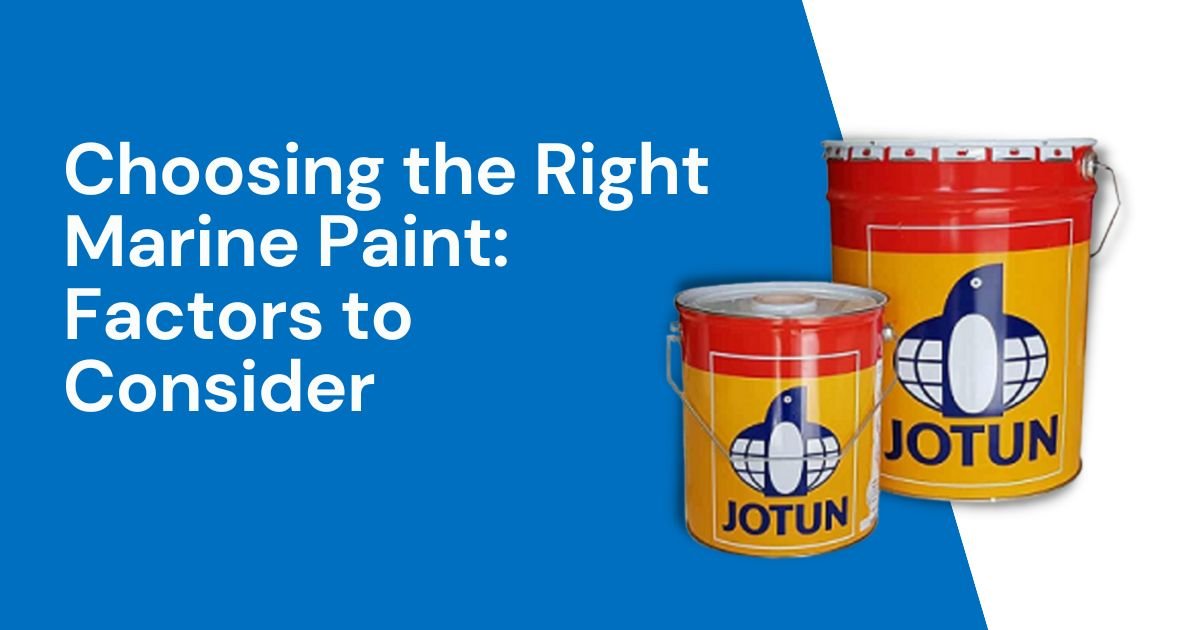
Morven Industrial supplies marine and protective coating products from categories including Sigma Paint, International Paint and Jotun Paint, alongside other protective coating products.
You can also explore our wider Painting and Protective Coating category to review marine and industrial coating products available through Morven Industrial.
Final Checklist Before Choosing Marine Paint
Before ordering a marine coating, work through the following questions:
- What part of the vessel will be coated?
- Will the surface be continuously immersed, intermittently exposed or above water?
- What material is the substrate?
- What environmental conditions will the coating face?
- Is the surface new, bare steel, previously coated or affected by corrosion?
- What surface preparation is required?
- Is a primer, intermediate coat and finish coat required?
- Are the proposed products compatible with one another?
- What application method and environmental conditions are required?
- What inspection and maintenance requirements should be planned after application?
Choosing the right marine paint is ultimately about matching the coating system to the actual service conditions. Vessel area, exposure, substrate, surface preparation, application conditions and future maintenance should all be considered before a product is selected.
If you are sourcing marine paint or protective coatings for a vessel, marine structure or industrial application in Nigeria, contact Morven Industrial with your project requirements so the appropriate product information and technical documentation can be reviewed before ordering.
Posts Widget
-
1

-
2
-
3
-
4