
Marine Paint for Fiberglass Boats: How to Choose, Prepare and Apply the Right Coating
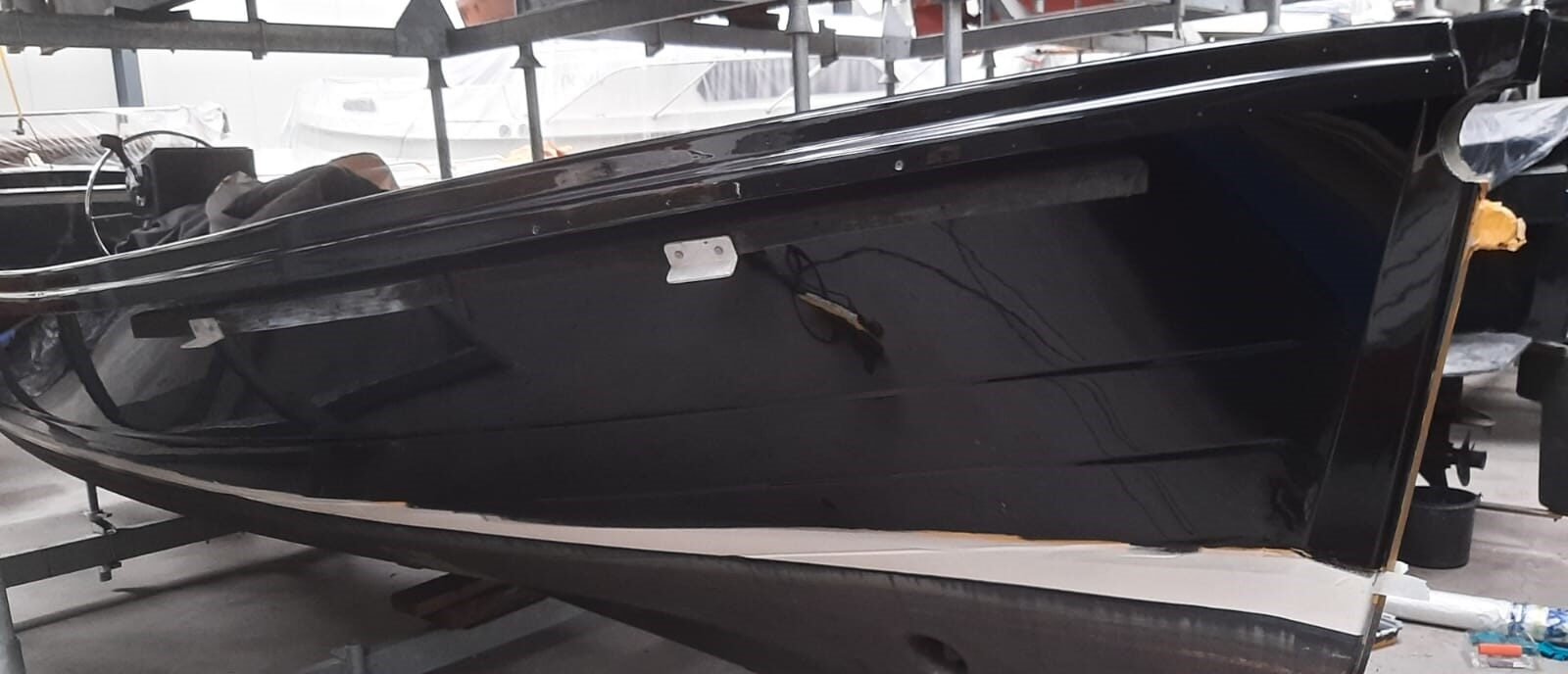
Marine Paint for Fiberglass Boats: How to Choose, Prepare and Apply the Right Coating
Fiberglass boats are widely used for recreational, commercial and marine applications because fiberglass-reinforced plastic (FRP) provides a lightweight and durable construction material. However, the outer surface of a fiberglass boat still requires proper care. Over time, sunlight, saltwater exposure, weather, abrasion, cleaning and general use can affect the gelcoat or existing coating.
When polishing and routine maintenance are no longer enough to restore the surface, applying a suitable marine paint for fiberglass boats can be part of a broader restoration or maintenance project.
The important point is that painting fiberglass is not simply a matter of buying marine paint and putting it over the existing surface. The condition of the gelcoat or old coating, surface preparation, compatibility, primer selection, application conditions and intended service area all need to be considered.
Can You Paint a Fiberglass Boat?
Yes. Fiberglass boats can be painted when the surface has been properly prepared and the selected coating system is suitable for the substrate and intended application.
Many fiberglass boats are originally finished with gelcoat. As the boat ages, the gelcoat can lose gloss, oxidize, become weathered or develop surface imperfections. If polishing and compounding no longer provide an acceptable result, repainting can provide a new protective and decorative finish.
Awlgrip notes that fading gelcoat, damage and worn deck areas are among the reasons owners may choose to repaint a fiberglass boat. Its guidance also emphasizes that proper substrate preparation, primer and topcoat application are important parts of the process. See Awlgrip’s fiberglass boat painting guidance.
When Should a Fiberglass Boat Be Painted?
Not every weathered fiberglass boat immediately needs a complete paint system. A surface that has only light oxidation may sometimes be improved through cleaning, compounding and polishing.
Painting becomes more relevant when the gelcoat remains heavily oxidized, loses its appearance quickly after restoration, contains widespread surface damage or can no longer provide the finish required for the vessel.
Previously painted fiberglass boats require additional consideration. Cracking, peeling, blistering or poor adhesion in the existing coating should be investigated before another coating is applied. Painting over a failing coating can simply transfer the underlying problem to the new finish.
For additional guidance on maintaining vessel coatings, see our article on marine paint maintenance and coating inspection.
Understand the Difference Between Gelcoat and Marine Paint
Gelcoat and marine paint are not the same thing.
Gelcoat is a resin-based surface layer commonly used during the manufacture of fiberglass-reinforced boats. It forms part of the original surface finish of many fiberglass vessels.
Marine paint is a coating system applied over a prepared substrate or existing coating to provide a particular combination of protection, appearance and service performance.
This distinction matters because painting a fiberglass boat usually requires preparation of the existing gelcoat rather than treating the surface as though it were bare steel.
Surface Preparation Is the Most Important Step
Good marine paint performance begins before the first coat of paint is applied.
The fiberglass surface should be clean, sound and properly prepared. Wax, grease, silicone, dirt, salt deposits and other contaminants can interfere with coating adhesion.
Existing coatings should also be inspected carefully. Areas that are loose, peeling, cracked or poorly bonded may need to be removed before the new coating system is applied.
Manufacturer guidance for fiberglass boat painting commonly places significant emphasis on cleaning and abrasion. Interlux, for example, recommends appropriate surface cleaning followed by sanding and substrate-specific preparation before priming and applying a finish. See Interlux guidance on applying finishes to fiberglass.
Remove Contamination Before Sanding
On fiberglass surfaces, contaminants such as wax can interfere with adhesion. Cleaning should therefore be carried out using a product and procedure appropriate for the existing substrate and coating.
Do not assume that a solvent or chemical suitable for one coating system is suitable for every fiberglass surface. Always follow the coating manufacturer’s preparation instructions.
Sand the Surface Properly
Sanding creates a mechanical profile that helps the coating system bond to the prepared surface. The exact abrasive grade should follow the manufacturer’s instructions because different products and substrate conditions can require different preparation levels.
The objective is to create a uniformly prepared surface without unnecessarily damaging the fiberglass laminate.
Repair Surface Defects
Before priming, inspect the boat for scratches, chips, cracks, damaged gelcoat and previous repair areas. Fairing compounds or suitable fillers may be required to level imperfections before the primer and finish coats are applied.
Awlgrip’s current system guidance for GRP/FRP illustrates a multi-stage approach that can include filler or fairing material, high-build material, epoxy primer and a final topcoat. See Awlgrip’s GRP/FRP coating system guidance.
Choose a Marine Paint System That Is Compatible With Fiberglass
One of the biggest mistakes in a fiberglass painting project is choosing a coating based only on colour or appearance.
The coating should be compatible with the substrate, primer and any existing coating that will remain on the boat.
A complete coating system may include:
- Primer: provides a suitable base for subsequent coats and can help improve adhesion.
- Intermediate or build coat: provides additional film build or barrier protection where specified.
- Topcoat: provides the final colour, appearance and surface properties required for the application.
The actual system will depend on the manufacturer’s technical specification and whether the boat is being coated above or below the waterline.
Epoxy Primer and Fiberglass Boat Coatings
Epoxy primers are commonly used in marine coating systems because they can provide a strong base for subsequent coatings and are available in systems designed for different substrates and service conditions.
For fiberglass, the primer must be specifically suitable for the prepared substrate and compatible with the intended finish coat.
It is important not to assume that every epoxy product is automatically suitable for every fiberglass application. The technical data sheet should be checked for substrate compatibility, preparation requirements, overcoating intervals and recommended finish coats.
For a broader explanation of epoxy coatings and their marine applications, read our guide to epoxy marine paint.
Choosing the Right Topcoat for a Fiberglass Boat
The topcoat is the visible final layer of the coating system, but its role goes beyond appearance. Depending on the product, a marine finish may be selected for atmospheric exposure, colour and gloss retention, abrasion resistance or other service requirements.
Two-part polyurethane finishes are commonly used in marine applications where a durable finish and appearance are important. However, they require careful attention to mixing, application conditions, curing and safety requirements.
For example, International Interthane 990 is listed by Morven as a two-component acrylic polyurethane finish for above-water marine areas including topsides, external superstructures, external decks and boot tops.
That makes it important to distinguish between a product designed for an above-water finish and a coating intended for continuous immersion or underwater fouling control.
Above-Water and Below-Water Fiberglass Areas Are Different
A fiberglass boat does not necessarily use the same coating system on every part of its surface.
Above-water areas are exposed primarily to atmospheric conditions, sunlight, rain, humidity, salt spray and mechanical wear. These areas may use a suitable marine primer and finish system selected for atmospheric exposure.
Below the waterline, the coating requirements can be different. Underwater areas may require systems designed for immersion, corrosion protection of associated metal components, and fouling control where applicable.
Antifouling paint is therefore not simply another name for ordinary fiberglass boat paint. It serves a different purpose and should be selected according to the underwater service requirements.
Our guide to antifouling marine paint explains how antifouling systems are used to manage biofouling on submerged vessel surfaces.
Consider UV Exposure and Marine Weather
Fiberglass boats operating outdoors are exposed to sunlight for extended periods. UV exposure can contribute to fading, oxidation and degradation of exposed surface finishes.
Salt spray, humidity, rain and temperature changes can add further stress to the coating system.
This is why the finish coat should be selected for the actual service environment rather than simply based on its colour or initial appearance.
For boats operating around coastal areas, understanding the effect of saltwater exposure is also important. Read our article on why saltwater accelerates corrosion in Nigeria’s marine environment.
What About Fiberglass Boat Corrosion?
The fiberglass laminate itself does not rust in the same way as carbon steel. However, a fiberglass boat can still contain metal components such as fasteners, rails, brackets, fittings, shafts and other hardware that require appropriate corrosion protection.
This means the presence of fiberglass does not eliminate the need to think about corrosion throughout the vessel.
Where metal components are being coated, the coating system should be selected according to the metal substrate and service environment rather than simply using the same product selected for the fiberglass surface.
For steel marine components and structures, products such as PPG SigmaCover 350 and Jotamastic 90 are examples of marine/protective coating products listed in Morven’s catalogue for corrosion protection applications. Their suitability should always be assessed against the actual substrate and coating specification.
How to Paint a Fiberglass Boat
Although the exact procedure varies by coating system, a typical fiberglass painting project follows a sequence similar to this:
- Inspect the surface: identify damaged gelcoat, old paint, cracks, peeling areas and other defects.
- Clean the surface: remove wax, grease, salt, dirt and other contaminants using the manufacturer’s recommended preparation products.
- Remove unsound coating: strip or repair areas where the existing coating has lost adhesion.
- Sand and prepare: create the required mechanical profile without damaging the fiberglass substrate.
- Repair imperfections: fair scratches, chips and suitable repair areas before priming.
- Apply primer: use a primer compatible with fiberglass and the selected topcoat system.
- Sand between coats where specified: follow the manufacturer’s recoat and sanding requirements.
- Apply the topcoat: apply the specified number of coats using the recommended application method.
- Allow proper curing: respect the manufacturer’s drying, curing and launching requirements.
- Inspect the finished surface: check for missed areas, runs, contamination and other coating defects.
For more information about marine coating preparation and application, see our guide on how to prepare and apply marine paint.
Painting Over Existing Fiberglass Boat Paint
Repainting an existing coating can be easier than stripping a sound system back to the substrate, but compatibility must be established first.
The existing coating should be firmly attached and free from widespread cracking, peeling, blistering or other signs of failure. A sound coating may require cleaning, sanding and other preparation before the new system is applied.
If the existing coating is failing, simply covering it with another layer of paint can result in premature failure.
Interlux advises that when an existing finish is in poor condition, the damaged or detached coating may need to be removed and the substrate prepared before applying a new coating system. See Interlux guidance on removing old finishes.
Environmental Conditions During Application
Temperature, humidity, ventilation and surface condition can all affect marine paint application and curing.
Painting in unsuitable conditions can affect drying, gloss, adhesion and the final appearance. Direct sunlight can also heat the substrate and influence how quickly the coating solvents evaporate.
Always follow the manufacturer’s specified application conditions, mixing instructions, thinning requirements and recoat intervals for the particular product being used.
How to Maintain a Painted Fiberglass Boat
Proper maintenance helps preserve the coating after the painting project is complete.
Regularly inspect the painted surface for scratches, chips, peeling, cracking, staining and areas where the coating has been damaged by equipment or contact with docks and other surfaces.
Clean the surface using methods compatible with the coating system. Avoid aggressive cleaning methods or chemicals unless they are approved for the particular finish.
Small areas of coating damage should be assessed and repaired before they develop into larger maintenance problems.
Our guide to marine paint maintenance provides more information about inspection, cleaning, repair and ongoing coating care.
Marine Paint for Fiberglass Boats in Nigeria
Fiberglass boats operating in Nigeria may encounter strong sunlight, high humidity, rainfall, salt spray and other coastal environmental conditions. These factors make proper preparation and coating selection important when maintaining an exposed fiberglass vessel.
The right coating depends on the vessel, the condition of the existing surface, whether the area is above or below the waterline, and the manufacturer’s recommended coating system.
Morven Industrial’s marine paint collection includes marine coating products for different applications. Where a fiberglass project also involves steel or other metal components, the coating system should be selected separately according to each substrate.
Final Thoughts
Choosing marine paint for fiberglass boats starts with understanding the condition of the existing surface and the environment in which the boat operates.
A successful project requires more than choosing a colour. The surface must be properly cleaned and prepared, damaged areas should be repaired, and the primer and topcoat should be compatible with the substrate and with each other.
Above-water and underwater areas may also require different coating systems. A finish intended for topsides should not automatically be treated as an underwater or antifouling coating.
For fiberglass boat owners and marine maintenance teams, the most useful approach is to identify the substrate, assess the existing coating, determine the service environment and then follow the coating manufacturer’s specified preparation and application system.
If you need help selecting marine coating products for a fiberglass boat or another marine application, contact Morven Industrial with details about the vessel, surface condition and intended application.
Posts Widget
-
1

-
2
-
3
-
4