
Epoxy Zinc-Rich Primer in Nigeria: Uses, Applications and Selection Guide
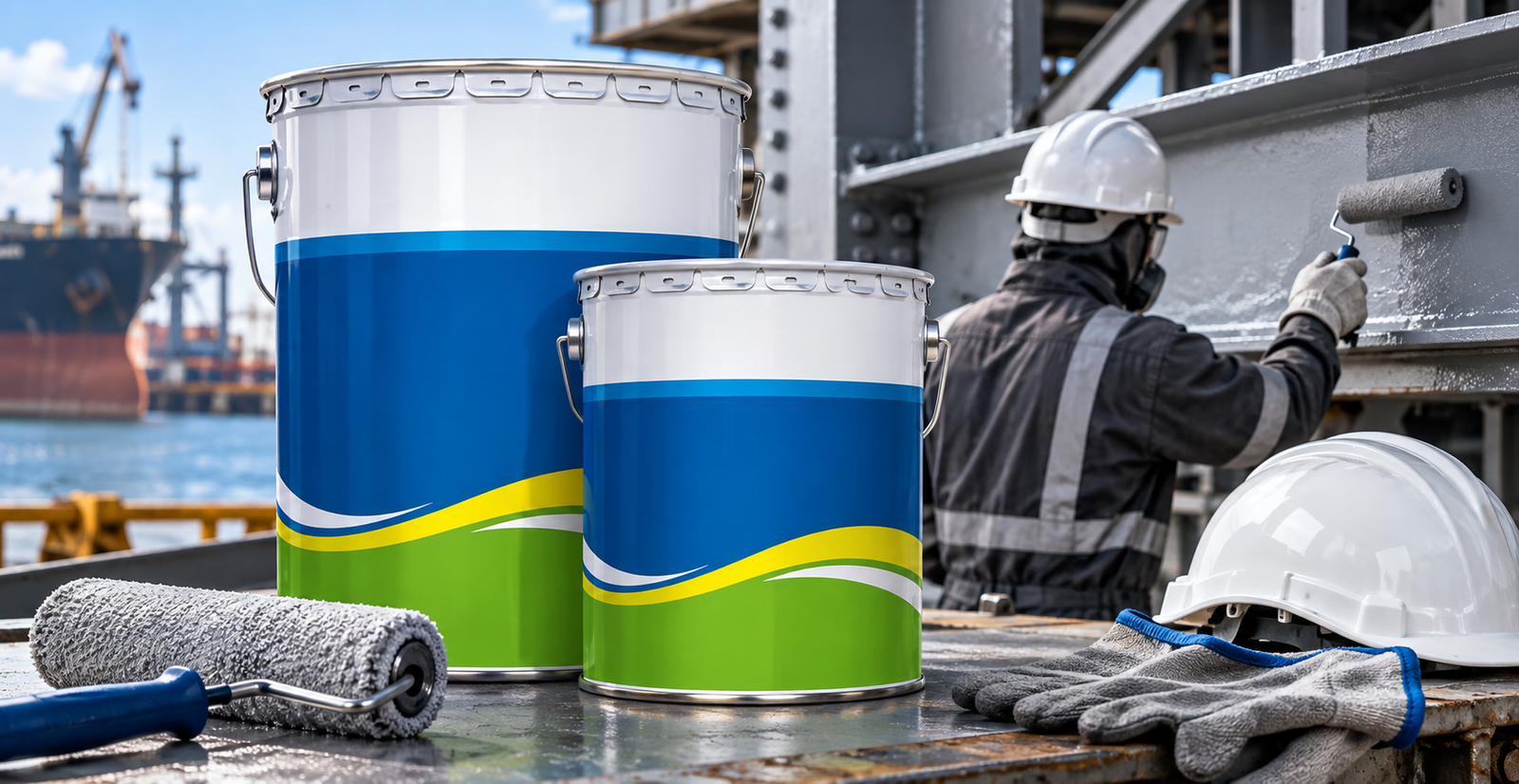
Epoxy Zinc-Rich Primer in Nigeria: Uses, Applications and Selection Guide
Steel structures and equipment exposed to moisture, salt, chemicals and changing environmental conditions require an appropriate corrosion-protection system. One coating technology used for this purpose is epoxy zinc-rich primer.
Zinc-rich epoxy primers are formulated with zinc particles dispersed in an epoxy binder. When used as part of a properly specified coating system, they can provide corrosion protection to prepared steel surfaces and serve as the primer layer beneath compatible intermediate and finish coats.
However, not every zinc primer is suitable for every project. The substrate, surface preparation, environment, coating system, application method and manufacturer’s technical requirements all need to be considered before selecting a product.
This guide explains what epoxy zinc-rich primer is, where it is commonly used, how steel should be prepared and what buyers in Nigeria should consider when sourcing a zinc-rich epoxy primer.
What Is Epoxy Zinc-Rich Primer?
Epoxy zinc-rich primer is a protective primer that combines an epoxy resin system with a high level of zinc pigment. It is designed primarily for corrosion protection of steel when used within an appropriate coating system.
The zinc component is an important part of the primer’s corrosion-protection mechanism, while the epoxy binder forms the coating matrix that holds the pigment and provides the physical properties of the coating.
For example, International describes Interzinc 52 as a two-component metallic zinc-rich epoxy primer intended as a high-performance primer for anticorrosive coating systems in aggressive environments. Its current technical information identifies applications including offshore structures, petrochemical facilities, bridges and power plants. ([international-marine.com](https://www.international-marine.com/en/products/interzinc-52?utm_source=chatgpt.com))
PPG’s SIGMAZINC 105 is likewise described as a two-component zinc epoxy primer with anticorrosive properties. Its technical documentation specifies steel as the substrate for the stated system. ([ppgpmc.com](https://www.ppgpmc.com/products/sigmazinc-105?utm_source=chatgpt.com))
How Does a Zinc-Rich Epoxy Primer Help Protect Steel?
Steel exposed to moisture and oxygen can corrode when the conditions allow an electrochemical corrosion process to occur. A properly designed coating system helps separate the steel from the surrounding environment.
Zinc-rich primers take this protection a step further by using zinc pigment in the primer formulation. The exact protection mechanism depends on the formulation, zinc content, electrical continuity and coating system.
This is why zinc-rich primers are commonly specified for steel structures where corrosion protection is an important requirement.
It is important, however, not to describe zinc-rich primer as a complete corrosion solution by itself. The complete coating system, surface preparation, application and maintenance all influence performance.
For a broader explanation of how marine coatings help control corrosion, read our guide to marine paint for corrosion protection.
Where Is Epoxy Zinc-Rich Primer Used?
Zinc-rich epoxy primers are commonly associated with steel structures and equipment exposed to atmospheric or industrial environments where corrosion protection is required.
Potential applications can include:
- Steel structures.
- Bridges and infrastructure.
- Industrial plants.
- Petrochemical facilities.
- Power-generation facilities.
- Offshore structures.
- Marine structures.
- Steel equipment and fabricated components.
- Pipelines and associated steelwork where the coating system specifies zinc-rich primer.
The exact suitability of a product depends on its technical specification. A primer designed for structural steel should not automatically be assumed to be suitable for tanks, immersion service, aluminum, galvanized surfaces or other substrates.
Epoxy Zinc Primer for Marine Applications
Marine environments can expose steel to moisture, salt spray, humidity and other conditions that accelerate coating deterioration when the protective system is damaged or poorly maintained.
Zinc-rich epoxy primers can form part of anticorrosive marine coating systems for suitable steel structures. However, the coating system must be selected according to the vessel area and service conditions.
International’s current Interzinc 52 technical information identifies aggressive environments including offshore structures as intended uses and describes the product as an epoxy zinc-rich primer. ([international-marine.com](https://www.international-marine.com/en/products/interzinc-52?utm_source=chatgpt.com))
Morven’s Interzinc 52 product page provides additional information about the product available in its International Paint catalogue.
For a wider overview of marine coating technologies, see our guide to types of marine paint and their applications.
Surface Preparation Before Applying Zinc-Rich Primer
Surface preparation is one of the most important stages in a zinc-rich primer application.
For new steelwork, the preparation procedure commonly involves removing contaminants and preparing the steel to the standard specified by the coating manufacturer.
International’s current Interzinc 52 documentation specifies that surfaces should be clean, dry and free from contamination and describes abrasive blast cleaning to Sa 2½ under the specified system, with a recommended surface profile of 40–75 microns. ([ske-beschichtungen.de](https://productdatasheet.ske-beschichtungen.de/Interzinc-52.pdf?utm_source=chatgpt.com))
That illustrates why the preparation requirement should come from the actual product data sheet rather than from a generic rule applied to every zinc-rich primer.
Remove Oil and Grease
Oil and grease can interfere with coating adhesion and should be removed using an appropriate cleaning method before the specified mechanical preparation is carried out.
Remove Rust and Mill Scale
Steel may require abrasive blasting or another specified preparation method to remove rust, mill scale and other surface conditions that could interfere with coating performance.
Check the Surface Profile
Where abrasive blasting is specified, the resulting surface profile should be suitable for the selected coating. The required range should come from the manufacturer’s technical documentation.
Why Surface Cleanliness Matters
A steel surface can appear visually clean while still containing contaminants that may affect coating adhesion or corrosion protection.
Salt contamination is particularly relevant in marine and coastal environments. If soluble salts remain on the steel before coating, they can contribute to coating problems after application.
Proper inspection and preparation therefore form an important part of the coating process.
Our guide on how to prepare and apply marine paint explains the wider preparation and application process for marine coating systems.
Epoxy Zinc-Rich Primer as Part of a Coating System
A zinc-rich primer is normally one component of a broader protective coating system.
Depending on the environment and product specification, the system may include:
- Zinc-rich primer: provides the specified primer-level corrosion protection for suitable steel substrates.
- Intermediate coat: provides additional barrier protection and film build where specified.
- Finish coat: provides the required final surface characteristics and additional protection against the service environment.
The intermediate and finish coats must be compatible with the zinc-rich primer.
For example, Interzinc 52 is specified by International for use as part of an anticorrosive coating system rather than as a standalone decorative finish. ([international-marine.com](https://www.international-marine.com/en/products/interzinc-52?utm_source=chatgpt.com))
This is why the correct approach is to select the complete coating system, not simply purchase the primer in isolation.
Epoxy Zinc-Rich Primer vs Zinc Phosphate Primer
Zinc-rich epoxy primers and zinc phosphate primers are not the same type of coating.
A zinc-rich epoxy primer contains a high concentration of metallic zinc pigment and is designed around the corrosion-protection characteristics of that system.
A zinc phosphate primer uses zinc phosphate as a corrosion-inhibiting pigment within its coating formulation. It does not provide the same type of zinc-rich primer system.
The choice between these technologies depends on the coating specification, exposure category, substrate preparation, required performance and compatible coating system.
For this reason, the terms zinc primer, zinc-rich primer and zinc phosphate primer should not be treated as interchangeable.
Epoxy Zinc-Rich Primer for Industrial Steel
Industrial steel structures can experience different levels of corrosion exposure depending on their location and operating environment.
Structures located in coastal, humid, chemical or industrial environments may require more robust coating systems than steel operating in relatively mild atmospheric conditions.
PPG currently lists SIGMAZINC products within its protective coatings range, including zinc-rich epoxy primer technologies for protective coating systems. ([ppgpmc.com](https://www.ppgpmc.com/protective/infrastructure-and-rail/plants-and-facilities/products?utm_source=chatgpt.com))
The appropriate product should still be selected based on the actual project specification rather than assuming that every SIGMAZINC product has the same application or performance characteristics.
Morven’s painting and protective coatings collection provides access to different coating technologies for industrial and marine applications.
What to Check Before Buying Epoxy Zinc Primer in Nigeria
When sourcing an epoxy zinc-rich primer, buyers should look beyond the product name and confirm the technical requirements of the project.
Important questions include:
- Is the product specifically intended for the substrate?
- Is it a zinc-rich epoxy primer or another type of zinc-containing primer?
- What corrosion environment is the product designed for?
- What surface preparation standard is required?
- What surface profile is required?
- What dry-film thickness should be achieved?
- What application methods are approved?
- What are the mixing and pot-life requirements for two-component products?
- What is the minimum and maximum overcoating interval?
- Which intermediate and finish coats are compatible?
- Is the product intended for atmospheric exposure or immersion?
These questions are particularly important for industrial and marine projects where coating failure can lead to additional preparation, repair and downtime.
Epoxy Zinc Primer Application
The application method depends on the product and project specification. Spray application is commonly used for large steel structures, while brush or roller application may be appropriate for smaller areas or approved touch-up work.
The coating should be mixed, thinned where permitted and applied according to the manufacturer’s instructions.
For two-component products, the base and curing component must be combined in the specified ratio. The applicator should also observe the product’s pot life and recoat window.
Film thickness is another important control point. Applying too little coating may leave the steel inadequately protected, while excessive thickness can create other coating problems.
Maintenance of Zinc-Rich Coating Systems
Even a properly applied zinc-rich primer requires inspection and maintenance as part of the complete coating system.
Steel structures should be inspected for coating damage, mechanical impact, rusting, cracking, peeling and other signs of deterioration.
Damaged areas should be repaired using the preparation and coating procedure specified for the particular system.
Our guide to marine paint maintenance explains the broader principles of coating inspection, repair and maintenance.
Epoxy Zinc-Rich Primer in Nigeria’s Marine and Industrial Environment
Nigeria’s coastal and industrial environments can expose steel structures to humidity, salt-laden air, rainfall and other conditions that require careful corrosion-control planning.
For marine structures, ports, industrial plants and other steel assets, the coating system should be selected according to the actual exposure environment and service requirements.
Morven Industrial supplies marine and protective coating products for industrial applications in Nigeria. The appropriate primer depends on the substrate, coating specification and intended environment.
For marine coating requirements, you can also explore Morven’s marine paint collection.
Common Mistakes When Selecting Zinc-Rich Primer
Choosing Only by Product Name
A product described as “zinc primer” is not automatically equivalent to every other zinc primer. The chemistry, zinc content, binder, application conditions and intended use can differ significantly.
Ignoring Surface Preparation
Even a high-performance zinc-rich primer depends on suitable surface preparation. Applying it over contaminated or inadequately prepared steel can compromise the coating system.
Using an Incompatible Topcoat
The finish coat must be compatible with the primer. The manufacturer’s recommended system should be followed instead of combining products without technical confirmation.
Ignoring Film Thickness
Coating performance depends partly on achieving the specified film thickness. Application should therefore be controlled rather than judged only by visual appearance.
Final Thoughts
Epoxy zinc-rich primer in Nigeria is relevant to corrosion-protection projects involving suitable steel substrates in marine, industrial, infrastructure and other demanding environments.
The key to selecting the right product is not simply finding a primer with “zinc” in its name. The substrate, corrosion environment, surface preparation, coating thickness, application method and compatible coating system all need to be considered.
Products such as Interzinc 52 and PPG SIGMAZINC technologies demonstrate how zinc-rich epoxy primers are formulated for specific protective coating applications. However, the manufacturer’s current technical documentation should always be used to confirm substrate suitability, preparation requirements and the complete coating system.
If you need an epoxy zinc-rich primer or another protective coating for an industrial or marine project in Nigeria, contact Morven Industrial with details of the substrate, project environment and intended application so the appropriate coating requirements can be reviewed.
Posts Widget
-
1

-
2

-
3

-
4