
Marine Paint for Aluminum Vessels: How to Choose, Prepare and Apply the Right Coating
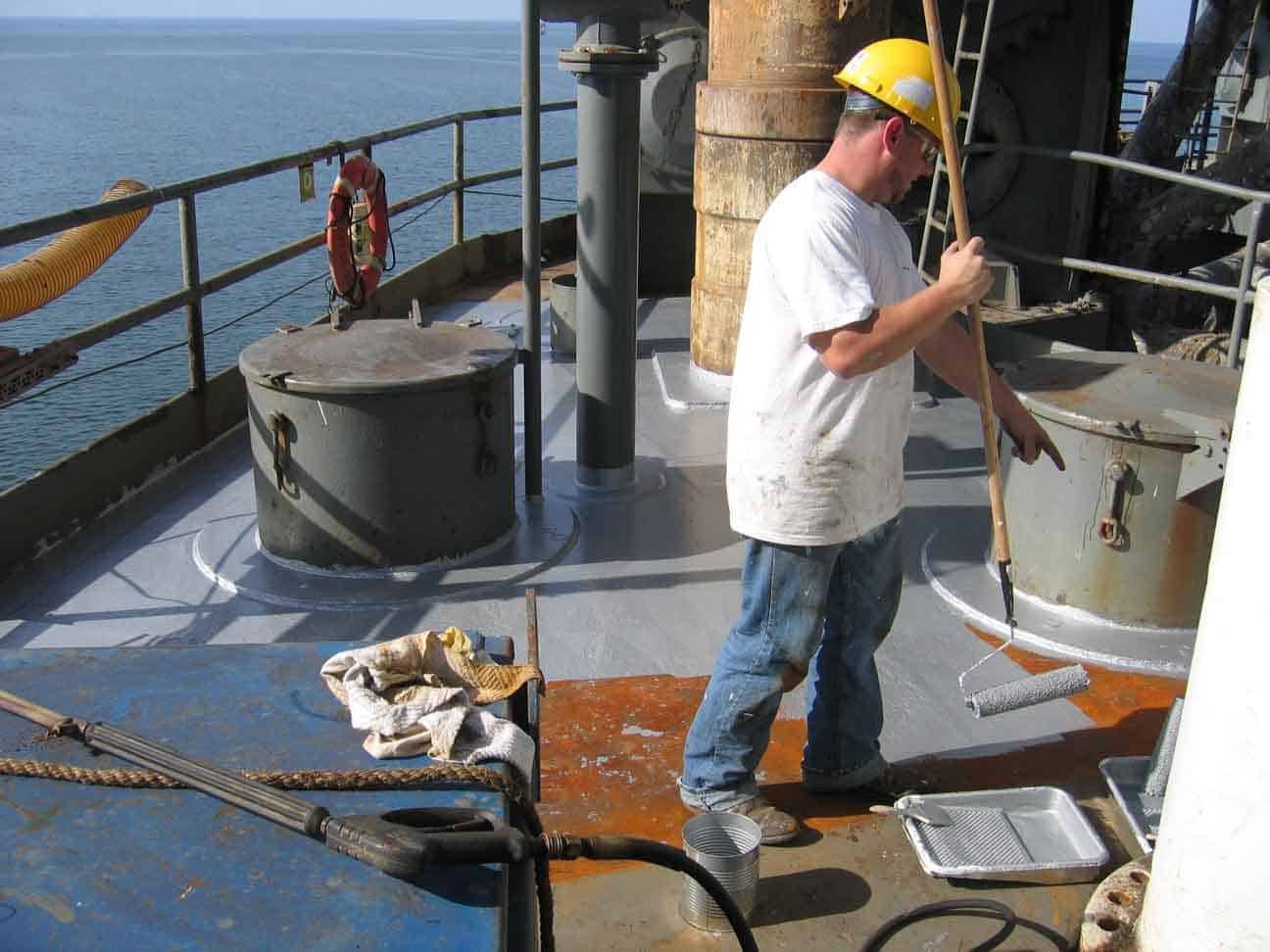
Marine Paint for Aluminum Vessels: How to Choose, Prepare and Apply the Right Coating
Aluminum is widely used in boats and marine vessels because it combines relatively low weight with useful strength and corrosion resistance. However, using aluminum does not mean that a vessel can be left without a suitable protective coating. Marine exposure can introduce salt deposits, moisture, abrasion, chemical contamination and other conditions that can affect the surface and any existing coating.
Choosing marine paint for aluminum vessels therefore requires more consideration than simply selecting a marine-coloured paint. The coating needs to be compatible with the aluminum substrate, properly prepared before application and suitable for the vessel area and operating environment.
This guide explains the main considerations when painting aluminum vessels, including surface preparation, primer selection, coating compatibility, application conditions and maintenance.
Why Is Painting Aluminum Vessels Different?
Aluminum behaves differently from carbon steel when it comes to corrosion and coating adhesion. When exposed to air, aluminum naturally forms a thin oxide layer on its surface. While this oxide layer contributes to aluminum’s corrosion resistance, it can also affect the adhesion of a coating if the surface is not prepared correctly.
Marine exposure adds another challenge. Saltwater and salt-laden air can leave contaminants on the surface, while mechanical damage can expose areas that need repair.
For this reason, an aluminum vessel should be treated as a specific substrate when designing a coating system. A paint that works well on steel should not automatically be assumed to be suitable for aluminum.
Can You Paint an Aluminum Boat or Vessel?
Yes. Aluminum boats and vessels can be coated when the surface is properly prepared and the selected coating system is suitable for aluminum.
Painting can be used for several reasons, including improving the appearance of the vessel, providing a suitable protective coating, restoring an existing coating system or preparing specific areas for continued marine service.
The exact coating system depends on factors such as whether the surface is bare aluminum or previously painted, the vessel area, expected exposure, immersion conditions and the manufacturer’s recommendations.
International Marine, for example, currently lists Intershield One-2-One – Aluminium as a surface-tolerant pure epoxy primer specifically formulated as an aluminium epoxy primer for anticorrosive touch-up applications. :contentReference[oaicite:1]{index=1}
Surface Preparation Is Critical on Aluminum
One of the most important stages of an aluminum coating project is surface preparation.
Even a technically suitable marine coating can fail prematurely if the substrate contains oil, grease, salt, dirt, loose oxidation, old poorly bonded paint or other contaminants.
The preparation method should be selected according to the existing surface and the coating manufacturer’s technical specification. The objective is to produce a clean and suitably prepared surface without unnecessarily damaging the aluminum.
Remove Oil, Grease and Contaminants
Before mechanical preparation, contamination should be identified and removed using a cleaning procedure suitable for aluminum and the coating system.
Salt contamination deserves particular attention on vessels operating in marine environments. A surface may look visually clean while still carrying soluble contaminants that can interfere with coating performance.
Remove Unsound Existing Coatings
If the aluminum vessel has already been painted, inspect the existing coating carefully.
Peeling, blistering, cracking or poorly bonded coating should not simply be covered with another layer of paint. Areas of coating failure need to be assessed and prepared according to the selected maintenance system.
Sound existing coatings may sometimes be retained after appropriate cleaning, abrasion and compatibility checks.
Prepare the Aluminum Surface
Mechanical preparation is often required to create a suitable surface profile and remove unwanted surface material. The exact preparation method and level should follow the coating manufacturer’s specification.
AMPP’s marine coating training material identifies mechanical cleaning, abrasive blast cleaning, waterjetting, surface-preparation selection, coating application and inspection as important elements of marine coating work. See AMPP’s marine coating application guidance. :contentReference[oaicite:2]{index=2}
Choose a Primer Designed for the Aluminum Substrate
The primer is particularly important when coating aluminum because adhesion and compatibility with the substrate need to be considered before applying subsequent coats.
A suitable primer can provide the prepared surface with a compatible base for the remaining coating system. However, not every marine epoxy primer should automatically be used on aluminum simply because it is described as an epoxy product.
Always check the technical data sheet for the actual substrate recommendations.
Morven’s PPG Sigmaprime 200, for example, is described as a universal epoxy anticorrosive primer with adhesion to steel, shop primer, galvanized steel and non-ferrous metals. The product is listed for a range of marine areas including decks, topsides, superstructures and hulls. :contentReference[oaicite:3]{index=3}
This makes substrate compatibility an important part of the product-selection process rather than something that should be assumed from the word “marine” on a paint label.
Marine Coating Systems for Aluminum Vessels
A marine coating system normally consists of more than one layer. Depending on the application, it may include a primer, intermediate coating and finish coat.
- Primer: provides a suitable foundation and supports adhesion between the prepared substrate and subsequent coats.
- Intermediate coating: may provide additional film build and protective properties where specified.
- Topcoat: provides the final surface characteristics required for the intended environment and appearance.
The products used in these layers need to be compatible with one another. The manufacturer’s specified system should take priority over combining products simply because they are all labelled as marine coatings.
For a broader explanation of marine coating systems, see our guide to types of marine paint and their applications.
Epoxy Coatings and Aluminum Marine Applications
Epoxy coatings are widely used in marine protective coating systems because different epoxy technologies are available for primers, intermediate coats and other applications.
However, epoxy should not be treated as a universal solution for every aluminum vessel.
The specific product must be checked for aluminum or non-ferrous metal compatibility, required surface preparation, immersion conditions, recoat requirements and compatibility with the intended topcoat.
Morven’s epoxy marine paint guide explains the properties and applications of epoxy marine coatings in more detail.
Above-Water Aluminum Vessel Areas
Above-water sections of an aluminum vessel can include topsides, superstructures, external decks and other exposed surfaces.
These areas may experience sunlight, rain, salt spray, humidity, abrasion and general operational wear. The coating system therefore needs to be selected for atmospheric exposure and the specific demands of the surface.
For example, Morven’s PPG SigmaCover 350 is listed as a high-build epoxy primer/coating for marine and protective coating applications including topsides, decks and superstructures. Morven’s product information identifies steel and concrete as its listed substrates, so it should not be assumed to be a direct aluminum solution without confirming the manufacturer’s current technical specification for the particular application. :contentReference[oaicite:4]{index=4}
This distinction is important: a product’s marine application does not automatically mean that it is suitable for every marine substrate.
Aluminum Vessel Hulls and Underwater Areas
Coating requirements can change when the surface is below the waterline or continuously immersed.
Underwater areas may require coating systems designed for immersion and, depending on the vessel and operating conditions, a suitable antifouling system.
Antifouling paint should not be selected simply because it is marketed as marine paint. Its suitability depends on the complete coating system, substrate, underwater service and the manufacturer’s recommendations.
Our guide to antifouling marine paint explains how antifouling coatings are used to manage biofouling on submerged vessel surfaces.
Why Coating Compatibility Matters
Compatibility is one of the most overlooked parts of marine painting.
A coating system can involve several products, and each layer needs to work with the layer underneath it. Problems can occur when a new coating is applied over an incompatible old coating or when the primer and finish coat have different requirements.
Before applying a new system, establish:
- What material the vessel is made from.
- Whether the aluminum is bare or previously painted.
- What coating is currently on the surface.
- Whether the existing coating is sound.
- What primer is recommended for the substrate.
- What topcoat is compatible with the primer.
- Whether the coating is intended for atmospheric exposure or immersion.
- What surface preparation standard is required.
If the existing coating system is unknown, testing and technical assessment may be necessary before a full repainting project begins.
Common Problems When Painting Aluminum Vessels
Poor Adhesion
One of the most common coating problems is poor adhesion. This can occur when the surface is contaminated, insufficiently prepared or incompatible with the selected coating.
Proper cleaning, preparation and primer selection are therefore fundamental.
Blistering and Coating Failure
Blistering can have different causes, including moisture, contamination, coating defects and service conditions. The correct cause should be investigated rather than assuming that simply applying another coat will solve the problem.
Corrosion at Damaged Areas
Aluminum does not develop red iron rust in the same way as carbon steel, but corrosion can still occur. Damage to a coating can expose the substrate to the marine environment, making inspection and timely repair important.
Incompatible Recoating
Applying a new product over an existing coating without confirming compatibility can lead to adhesion problems, wrinkling, lifting or premature failure.
How to Apply Marine Paint to an Aluminum Vessel
The exact procedure depends on the coating system, but a typical project should involve a controlled sequence:
- Inspect the vessel: identify the aluminum substrate, existing coating and areas of damage.
- Clean the surface: remove oil, grease, dirt, salt and other contaminants.
- Remove unsound coatings: eliminate loose, peeling or poorly bonded material.
- Prepare the substrate: use the preparation method specified for the aluminum and selected coating.
- Apply the recommended primer: use a product confirmed as compatible with the substrate.
- Observe recoat intervals: follow the manufacturer’s specified overcoating window.
- Apply intermediate coats where specified: maintain the required coating system.
- Apply the finish coat: use the specified marine finish and application method.
- Inspect the coating: check coverage, defects and areas requiring correction.
- Allow proper curing: follow the manufacturer’s curing and service requirements before returning the vessel to operation.
Our detailed guide on how to properly prepare and apply marine paint covers surface preparation and coating application in more detail.
Choosing Marine Paint for Aluminum Vessels in Nigeria
Aluminum vessels operating in Nigeria can be exposed to high humidity, intense sunlight, rainfall, salt spray and coastal conditions. Vessels operating around ports and coastal areas may also experience frequent contamination from marine air and industrial environments.
These conditions make coating preparation and maintenance particularly important.
However, there is no single marine paint that should automatically be selected for every aluminum vessel. The appropriate system depends on the vessel design, aluminum substrate, existing coating, area being coated and operating environment.
Morven Industrial’s Sigma Paint collection includes marine and protective coating products for different applications. The current catalogue also includes primers and protective coatings for different substrates and vessel areas. :contentReference[oaicite:5]{index=5}
Where a specific aluminum application is involved, the product technical data should be checked before specifying a coating system.
Maintenance of Painted Aluminum Vessels
Painting an aluminum vessel is not the end of the maintenance process.
The coating should be inspected periodically for scratches, impact damage, peeling, blistering, cracking and other defects. Particular attention should be paid to areas around fittings, access points, deck equipment and other locations where mechanical damage can occur.
Salt and other contaminants should also be removed using cleaning methods compatible with the coating system.
When coating damage is discovered, repair should follow the manufacturer’s recommended preparation and recoating procedure rather than simply applying paint over the damaged area.
Our guide to marine paint maintenance covers inspection, cleaning, repair and ongoing coating care.
How to Select the Right Marine Coating for Aluminum
Before purchasing a coating for an aluminum vessel, ask the following questions:
- Is the product specifically suitable for aluminum or non-ferrous metal?
- Is the surface bare aluminum or previously coated?
- What surface preparation does the manufacturer require?
- Is a dedicated primer required?
- Is the area above water or continuously immersed?
- Will the finish be exposed to sunlight and salt spray?
- Is the coating compatible with the existing system?
- What application method is recommended?
- What are the required drying and recoat intervals?
- Does the complete coating system match the vessel’s service conditions?
These questions help prevent the common mistake of selecting marine paint based only on colour, brand or general product description.
Final Thoughts
Choosing marine paint for aluminum vessels requires attention to the substrate, surface preparation, coating compatibility and operating environment.
Aluminum’s natural corrosion resistance does not remove the need for an appropriate coating system. Marine exposure, mechanical damage and poor preparation can still create coating problems, while incompatible products can result in poor adhesion or premature failure.
The best starting point is to identify the aluminum substrate, assess the condition of the existing coating, determine whether the area is above or below the waterline and then select a primer and coating system that the manufacturer specifies for the application.
Proper preparation, correct application, inspection and maintenance are just as important as the paint itself.
If you need help sourcing marine coatings for an aluminum vessel or another marine application, contact Morven Industrial with details of the vessel, substrate, existing coating and intended application so the appropriate product requirements can be reviewed.
Posts Widget
-
1

-
2
-
3
-
4