
CMP Marine Paint in Nigeria: Marine Coatings, Applications and Buying Guide
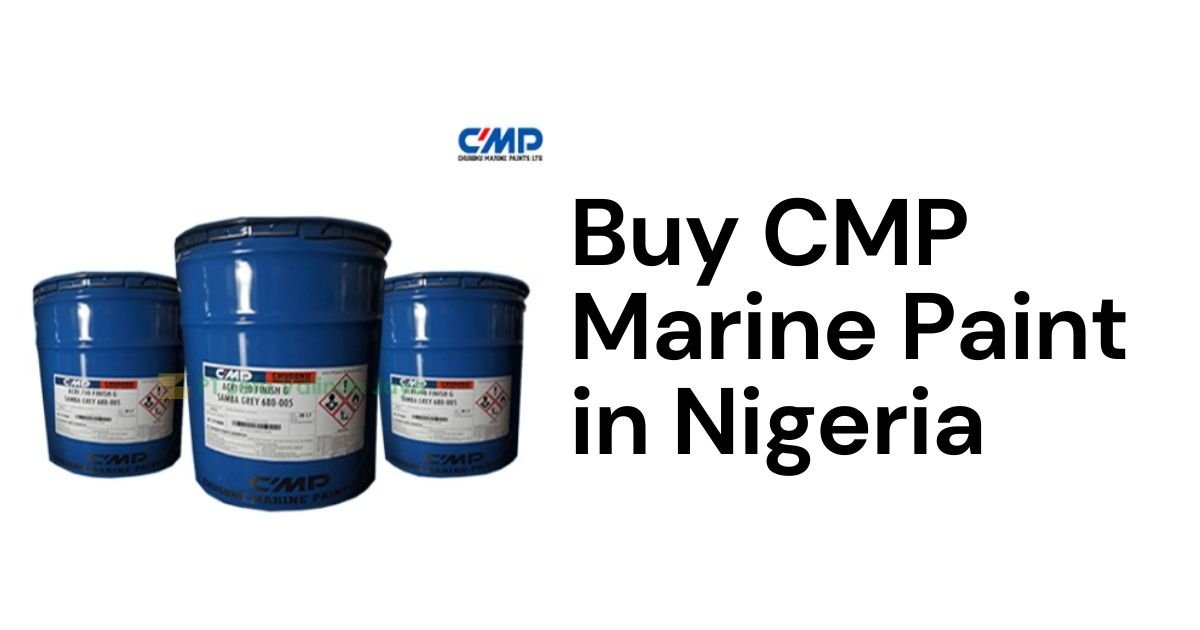
CMP Marine Paint in Nigeria: Marine Coatings, Applications and Buying Guide
CMP marine paint is used in coating systems designed for vessels and marine environments where surfaces can be exposed to seawater, salt, fouling, moisture, abrasion and other demanding conditions. CMP, formally known as Chugoku Marine Paints, develops marine coating systems for different parts of vessels, including antifouling coatings, anti-corrosive coatings, cargo tank coatings and cargo hold coatings.
If you are looking for CMP marine paint in Nigeria, it is important to identify the part of the vessel being coated and the conditions the coating will face before selecting a product. A coating intended for an underwater hull may have a very different purpose from a coating designed for a cargo tank, ballast tank, deck or superstructure.
This guide explains CMP marine coatings, their main applications and the factors to consider when sourcing CMP paint for marine projects in Nigeria.
What Is CMP Marine Paint?
CMP is the abbreviation commonly used for Chugoku Marine Paints, Ltd., a Japanese coating manufacturer established in Hiroshima in 1917. The company develops marine coatings for vessels as well as protective and industrial coating systems.
CMP’s marine coating portfolio covers several areas of vessel protection. Its official marine-coatings information includes antifouling coatings, anti-corrosive coatings, cargo tank coatings and cargo hold coatings. CMP also provides technical data sheets and product information for its marine coating products. View CMP’s official marine coatings information.
The manufacturer’s portfolio includes coating systems designed for different vessel areas and service conditions. This means that CMP marine paint should not be treated as one single product. The appropriate product depends on the part of the vessel, substrate, exposure and coating specification.
Types of CMP Marine Coatings
CMP’s marine coatings cover several important areas of vessel protection. Understanding these categories can help buyers identify the type of product required for a particular project.
CMP Antifouling Coatings
Antifouling coatings are used on submerged vessel surfaces to help control the attachment and growth of marine organisms.
Marine fouling can affect underwater hull surfaces and can influence vessel performance. CMP develops antifouling technologies for different vessel types and operating conditions.
CMP’s current marine coating portfolio includes products such as SEAFLO NEO CF PREMIUM, SEAFLO NEO Z series and SEA GRANDPRIX antifouling products. The exact product selection should be based on vessel type, operating conditions and the manufacturer’s technical documentation. :contentReference[oaicite:2]{index=2}
CMP also provides information on silicone-based antifouling technology, including CMP BIOCLEAN PLUS. Product selection should always follow the current CMP technical data sheet and the requirements of the vessel’s coating specification.
CMP Anti-Corrosive Coatings
Anti-corrosive coatings are used to protect steel surfaces from corrosion and deterioration in marine environments.
CMP describes its anti-corrosive coatings as protective systems for steel vessels, tanks, marine structures and other equipment exposed to corrosive environments.
The CMP BANNOH series, for example, is described by the manufacturer as a universal primer series for corrosion protection of steel structures such as ships and bridges. :contentReference[oaicite:3]{index=3}
The appropriate primer and coating system depends on the substrate, exposure, surface preparation and required performance specification.
CMP Cargo Tank Coatings
Cargo tanks have specific coating requirements because the internal coating may be exposed to different cargoes and operating conditions.
CMP provides specialised cargo tank coating systems and states that its products have been applied to cargo tanks and onshore storage tanks. The manufacturer also provides resistance information and technical documentation for its products. :contentReference[oaicite:4]{index=4}
When selecting a cargo tank coating, the type of cargo, operating conditions, substrate and applicable coating specification should be established before purchasing.
CMP Cargo Hold Coatings
Cargo holds can experience abrasion, mechanical impact, moisture and exposure to different cargo materials. CMP provides dedicated cargo hold coating systems for bulk carriers and other relevant applications.
Examples in CMP’s portfolio include EVAMAX 2000 F and UMEGUARD SUPER-H, with the latter described by CMP as a hard coating for cargo holds. :contentReference[oaicite:5]{index=5}
As with other marine coatings, the product should be selected according to the actual cargo, service environment and coating specification.
Where Is CMP Marine Paint Used?
CMP marine coatings can be used across different areas of vessels depending on the coating type.
Underwater Hulls
Underwater hulls are exposed continuously to water and can experience marine fouling and corrosion.
Antifouling coatings are commonly used as part of underwater hull coating systems to control marine organisms attaching to the hull. The coating system must be selected according to the vessel’s operating profile and the manufacturer’s product requirements.
Ballast Tanks
Ballast tanks can present demanding corrosion conditions because of seawater exposure and changes in operating conditions.
CMP provides anti-corrosive coating systems for marine applications, including coating solutions for tanks and other vessel areas. The appropriate system should be selected according to the applicable specification and technical documentation.
Cargo Tanks
Cargo tanks require coatings that are compatible with the intended cargo and operating environment.
Before ordering a cargo tank coating, provide details of the cargo, tank construction, existing coating and required service conditions so the appropriate system can be identified.
Cargo Holds
Cargo holds may be subjected to mechanical impact, abrasion, moisture and contact with different cargoes.
Specialised cargo hold coatings can therefore be selected according to the type of cargo and expected service conditions.
Decks and Superstructures
Exterior decks and superstructures are exposed to weather, salt spray, sunlight, moisture and mechanical activity.
The coating system for these areas should be selected according to the substrate and exposure. A coating designed for an underwater area should not automatically be used on an above-water structure, and vice versa.
How to Choose the Right CMP Marine Paint
Choosing a CMP marine coating should start with the application rather than simply the product name.
1. Identify the Vessel Area
State whether the coating is required for an underwater hull, ballast tank, cargo tank, cargo hold, deck, superstructure or another area.
2. Identify the Substrate
Confirm the material being coated and assess whether the surface is new steel, previously coated steel or a surface affected by corrosion.
3. Determine the Exposure
Consider whether the coating will experience continuous immersion, seawater, salt spray, sunlight, chemicals, abrasion or other environmental conditions.
4. Review the Existing Coating
For maintenance projects, the condition of the existing coating should be assessed. Loose, damaged or incompatible coatings may require removal or additional preparation before the new system is applied.
5. Check the Coating System
Marine coatings often work as part of a complete system rather than as isolated products.
The system may include a primer, intermediate coat, finish coat or specialised coating such as antifouling or tank lining.
Confirm compatibility between the different layers before ordering or applying the coating.
6. Review the CMP Technical Data Sheet
CMP provides technical data sheets for its marine coating products. These documents should be used to confirm application conditions, surface preparation, mixing, application methods, drying, recoating and other product-specific requirements.
CMP’s official product information and technical data sheets should be checked for the current requirements of the specific product being considered.
CMP Marine Paint and Surface Preparation
Surface preparation is an important part of any marine coating project.
Before applying CMP marine paint, the substrate should be inspected and prepared according to the coating specification. Depending on the condition of the surface, preparation can include removal of rust, old coating, oil, grease, dirt, salts and other contaminants.
The required preparation standard depends on the product and coating system.
For additional information about marine coating preparation, read Morven Industrial’s guide on how to prepare and apply marine paint.
It is also useful to understand the different coating technologies before selecting a product. Our article on types of marine paint and their applications explains the main marine coating categories and where they are commonly used.
CMP Marine Paint and Corrosion Protection
Corrosion protection is one of the central functions of marine coating systems.
Steel vessels and marine structures can be exposed to water, salts and other corrosive conditions. CMP explains that anti-corrosive coatings are used to protect steel structures and equipment from harsh marine environments.
CMP’s anti-corrosive coating technology is also applied beyond vessels, including marine structures, offshore facilities and other industrial applications. :contentReference[oaicite:6]{index=6}
For a broader explanation of marine corrosion, read Morven Industrial’s article on why saltwater accelerates corrosion in Nigeria’s marine environment.
You can also read our guide to anti-rust paint in Nigeria for information about corrosion protection for steel and metal surfaces.
CMP Marine Paint in Nigeria
When sourcing CMP marine paint in Nigeria, it is useful to provide detailed information about the vessel and the coating application.
Rather than asking only for “CMP marine paint,” provide information about the vessel type, area being coated, substrate, existing coating, operating environment and intended service.
This information can help determine which category of CMP coating is relevant, whether an antifouling, anti-corrosive, cargo tank or cargo hold system is required, and which technical documentation needs to be reviewed.
Morven Industrial’s broader Painting and Protective Coating category also contains marine and industrial coating products from different manufacturers.
You can also explore the Marine Paint category for related marine coating information and products.
CMP Marine Paint Compared With General Marine Paint
One advantage of searching specifically for CMP is that buyers can identify products within the CMP marine coating portfolio rather than treating all marine paint products as interchangeable.
Marine paints from different manufacturers can use different technologies, specifications and application systems. Even products serving similar purposes may have different preparation, application and compatibility requirements.
For this reason, the appropriate comparison should be based on the actual coating specification, vessel area, service conditions and technical requirements rather than simply comparing product names.
Morven Industrial also provides marine coating information covering products from manufacturers such as PPG Sigma, International Paint, Jotun and Hempel. You can read our guide to marine paint brands in Nigeria to understand how different marine coating product ranges can be evaluated.
What to Provide When Requesting CMP Marine Paint
When requesting a quotation or product recommendation, provide as much project information as possible.
- Vessel type
- Area to be coated
- Substrate
- Existing coating system
- Surface condition
- Immersed or non-immersed service
- Expected operating environment
- Type of cargo where applicable
- Required coating system
- Application method where known
- Project quantity
- Available technical specification or coating schedule
For larger marine projects, an existing coating specification or technical document can be particularly useful when identifying the correct product and application system.
Buying CMP Marine Paint in Nigeria
If you are sourcing CMP marine paint in Nigeria, start by identifying the specific application and coating requirements rather than selecting a product based only on its name or colour.
CMP’s official marine portfolio covers antifouling coatings, anti-corrosive coatings, cargo tank coatings and cargo hold coatings, among other marine coating solutions. :contentReference[oaicite:7]{index=7}
Morven Industrial can be contacted for marine paint and protective coating requirements in Nigeria. Contact Morven Industrial with the vessel and application details so the relevant product information can be reviewed.
Final Checklist for CMP Marine Paint Selection
- Identify the exact vessel area.
- Confirm the substrate.
- Determine whether the area is immersed or above water.
- Identify the expected environmental exposure.
- Check the existing coating condition.
- Determine the required coating category.
- Review CMP’s current technical data sheet.
- Confirm surface preparation requirements.
- Check coating compatibility and recoating requirements.
- Confirm application and curing conditions.
- Use the manufacturer’s documentation for the final product selection.
Conclusion
CMP marine paint covers a broad range of marine coating applications, from antifouling and anti-corrosive protection to cargo tank and cargo hold coatings. The right product depends on the part of the vessel being protected, the substrate, environmental exposure, existing coating condition and required coating system.
For buyers in Nigeria, providing detailed project information is the best starting point when sourcing CMP marine coatings. This makes it easier to identify the relevant coating category and review the appropriate technical documentation before purchase.
Explore Morven Industrial’s Painting and Protective Coating range or contact Morven Industrial with your marine coating requirements.
Posts Widget
-
1

-
2
-
3

-
4