
Why Saltwater Causes Rapid Corrosion In Nigeria
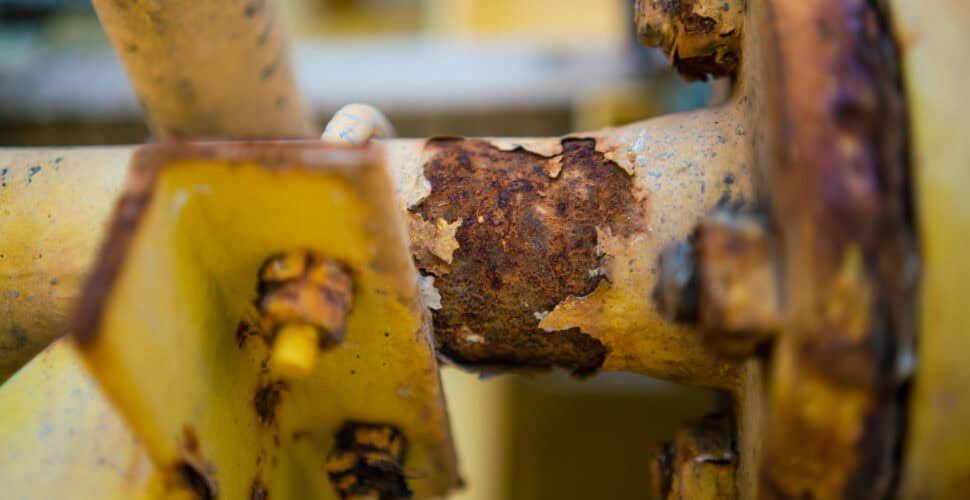
Nigeria’s Marine environment creates a perfect storm for corrosion because of Extreme Humidity levels, Continuous spray of salt High Temperature, Continuous rainfall and industrial air pollutants. Salt water contains chloride ions, which aggressively destroys steel surfaces. Once protective coatings fail, corrosion spreads speedily beneath the surface.
Assets mostly at risk includes ship hulls, barges, offshore platforms, port equipment, storage tanks, marine pipelines and coastal bridges.
Failure to manage this can amount to increase in safety risks and reduction of structural integrity.
THE REAL COST OF OVERLOOKING MARINE CORROSION
Majority of businesses treat corrosion as a routine maintenance issue but the long term impact is much heavier as it could result to the following
- Increased Dry docking frequency
- Recoating costs
- Production downtime
- Asset replacement expenses
- Regulatory compliance risks
In severe cases, corrosion can amount to structural failure which is much more expensive than preventive protection. It is advised that businesses shift from reactive repairs to PROACTIVE PROTECTION.
Practical Solutions to Protect Marine Assets.
- Begin With Adequate Surface Preparation
For a perfect coating system performance, there must exist a well prepared steel. The best practices includes:
- Abrasive Blasting
- Remove mill scale and rust completely
- Ensure that the surface is dry before coating.
- Check the surface profile
Surface preparation guarantees for nearly 60% of coating performance. Note that if this step is omitted, early failure is guaranteed.
- Use Marine Grade Protective Coatings
Not all paints are fit for the purpose of salt water environments. Marine coatings should provide
- High Water Resistance
- Strong Chemical Resistance
- UV stability
- Excellent Adhesion
- Easy Maintenance recoating
Chlorinated Rubber Resin is widely used in marine coatings due to features that helps it withstand aggressive environments. If you are checking out your options, you access this link to act as a guide for procurement decisions.
- Apply the Right Coating System (Not Just One Layer)
An operative Marine Protection often involves:
- Anti-Corrosive primer prevents rust formation
- Intermediate coat builds thickness
- Topcoat protects against UV and moisture.
- Carry out a Scheduled Routine Inspection and Maintenance
Monitoring them is paramount as even the best systems requires this to stand the test of time.
Enact and institute the following
- A Planned inspection cycles
- An early rust detection checks
- An immediate spot repairs
- Dry film thickness verification
Preventive touch ups cost far less than full recoating projects
- Operate with a Verified Technical Specification
A supplier that cannot provide documentation is a cogent proof of Red flag. Before sourcing any coating materials in Nigeria request for the following
- Technical Data Sheet (TDS)
- Certificate Of Analysis (COA)
- Application Guidelines
- Recommended Film Thickness
Common Signs That Saltwater Is Already Damaging Your Assets Includes:
- Blistering paint
- Rust Bleeding
- Coating Delamination
- Pitting Corrosion
- Structural thinning
If the above signs are noticed, don’t delay intervention as corrosion spreads beneath the coating surface and worsens quickly.
CONCLUSION
Don’t wait for breakdowns. The points stated above us enough to be a guide to building this said system. Saltwater corrosion threatens compliance, Safety, operational efficiency and capital investment and as such it becomes important for build a prevention strategy. This is manageable with the right protective approach.
If your marine assets are deteriorating faster than expected, examine your coating system and strengthen your corrosion prevention strategy.
Marine corrosion management is not about materials rather it’s about building a system to protect your assets today and save millions tomorrow.