Marine Paint and Protective Coatings in Nigeria: Products, Applications and Buying Guide
Marine Paint and Protective Coatings in Nigeria: Products, Applications and Buying Guide
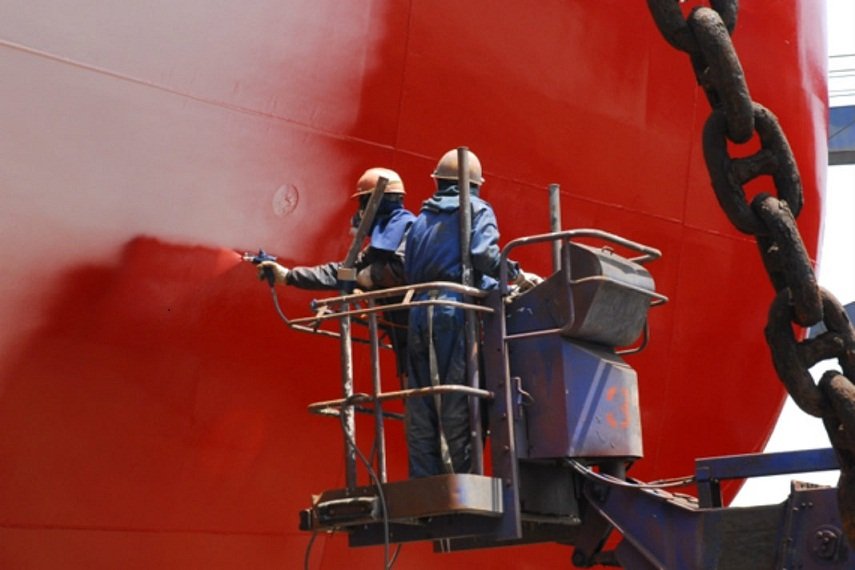
Marine vessels and structures operate in environments where steel and other surfaces can be exposed to seawater, salt spray, moisture, sunlight, abrasion, chemicals and changing weather conditions. Choosing an appropriate marine paint or protective coating system is therefore an important part of protecting the underlying surface.
If you are looking to buy marine paint and protective coatings in Nigeria, the first step is to identify the area being coated and the conditions it will face. A coating suitable for an exterior superstructure may not be suitable for a ballast tank, underwater hull or cargo tank. The coating system also needs to be compatible with the substrate, existing coating and required surface preparation.
Morven Industrial supplies marine and protective coating products for different industrial and marine applications in Nigeria. This guide explains the main types of marine coatings, where they are used and what to consider when sourcing them.
What Are Marine Paint and Protective Coatings?
Marine paint refers to coating products designed for use on vessels, marine structures and related equipment. Protective coatings are used more broadly to help protect materials such as steel and concrete from environmental exposure, corrosion, abrasion and other forms of deterioration.
Marine coating systems can include primers, intermediate coats, build coats, finishing coats, tank linings and specialised antifouling coatings. The appropriate combination depends on the service environment and the requirements of the particular surface.
The Association for Materials Protection and Performance (AMPP) explains that marine vessels contain different service environments, meaning coating systems need to be selected according to the area being protected. AMPP’s guidance on coating systems for different areas of a ship provides useful technical background on this subject.
Types of Marine Paint and Protective Coatings
There is no single marine paint suitable for every part of a vessel. Different coating technologies are used for different conditions and stages of a coating system.
Epoxy Marine Coatings
Epoxy coatings are widely used in marine and industrial protective coating systems. Depending on the formulation, they may be used as primers, intermediate coats, high-build coatings or part of a complete corrosion protection system.
For example, PPG SigmaCover 350 is a two-component, high-build polyamide-cured epoxy primer/coating used for marine and protective applications. Its listed applications include areas such as topsides, decks, superstructures and cargo holds.
PPG SigmaCover 280 is another epoxy anticorrosive primer used in applications including ballast tanks, decks, topsides, superstructures, hulls and cargo oil tanks, according to its product information.
Epoxy Mastic Coatings
Epoxy mastic coatings are commonly used in maintenance and repair coating systems where the condition of the existing surface needs to be taken into account.
Jotamastic 90 is a two-component polyamine-cured epoxy mastic intended primarily for repair and maintenance applications. It is listed for use in marine and protective environments.
Before selecting an epoxy mastic or any other coating, the existing substrate, surface preparation requirements and complete coating specification should be reviewed.
Zinc-Rich Primers
Zinc-rich primers are used in specified anticorrosive coating systems where zinc-based protection is required.
Interzinc 52 is a two-component metallic zinc-rich epoxy primer used as part of anticorrosive coating systems for aggressive environments.
Zinc-rich primers are generally not selected in isolation. Their suitability depends on the complete coating system, substrate preparation and the manufacturer’s specified overcoating requirements.
Polyurethane Marine Finishes
Polyurethane coatings can be used as finishing coats in suitable above-water marine and protective applications. They can provide a finish designed for environments where weathering and appearance are important considerations.
Interthane 990 is a two-pack acrylic polyurethane finish intended for above-water marine areas including boot tops, exterior superstructures, external decks and topsides.
This illustrates why the intended application must be considered before purchasing marine paint. A coating specified for an above-water area should not automatically be used on an immersed surface.
Tank and Immersion Coatings
Internal tanks require particular attention because the coating may be exposed to water, chemicals, cargoes or other materials depending on the purpose of the tank.
Interline 850 is an epoxy phenolic coating intended for tank lining applications, including potable-water-related applications subject to the applicable product requirements.
Tank coatings should always be selected according to the tank contents, operating conditions, substrate, preparation requirements and the coating manufacturer’s technical documentation.
Marine Paint Applications
Marine coatings are used across many different parts of vessels and marine structures. The coating system should be selected according to the conditions that each area will experience.
Underwater Hulls
The underwater hull is continuously exposed to water and can be affected by corrosion, fouling and mechanical forces. Coating selection for these areas may therefore involve corrosion protection and, where applicable, an antifouling system.
AMPP explains that antifouling coatings are an important part of underwater hull protection because marine organisms can attach to submerged surfaces. The organisation also identifies different antifouling technologies and stresses the importance of correct preparation and application. Read AMPP’s guide to choosing and applying antifouling paint.
Decks and Superstructures
Decks can experience foot traffic, equipment movement, moisture and mechanical wear. Superstructures are also exposed to sunlight, rain, salt spray and atmospheric conditions.
Different coating systems may therefore be used on these areas depending on the required protection and finish.
Products such as Interthane 990 are specified for suitable above-water marine finishing applications, while epoxy products such as PPG SigmaCover 350 are used in protective coating systems for marine areas.
Ballast Tanks and Internal Areas
Ballast tanks can present demanding corrosion conditions because of seawater exposure and temperature variations. Internal vessel areas may also require coating systems selected according to their specific service environment.
This is why a product should not be selected simply because it is described generally as “marine paint.” The actual application and coating specification matter.
How to Choose Marine Paint in Nigeria
When buying marine paint in Nigeria, provide the supplier with enough information to identify the appropriate product or coating system.
1. Identify the Area Being Coated
State whether the coating is required for an underwater hull, deck, superstructure, ballast tank, cargo tank, machinery area or another part of the vessel.
2. Identify the Substrate
Confirm whether the surface is carbon steel, stainless steel, aluminium, concrete or another material. The substrate can influence preparation and coating compatibility.
3. Describe the Exposure
Explain whether the surface will be continuously immersed, intermittently exposed, above water, exposed to salt spray, subjected to abrasion or exposed to chemicals.
4. Check the Existing Coating
For maintenance projects, provide information about the existing coating and its condition. Rust, damaged paint, oil, grease, salts and other contaminants may need to be addressed before applying a new coating.
5. Review Surface Preparation Requirements
Surface preparation is an important part of coating performance. Depending on the product and project specification, preparation may involve cleaning, abrasive blasting, power-tool cleaning or other approved methods.
AMPP identifies surface preparation, coating application and inspection as important elements of marine coating work. Its maritime resources also cover maintenance, repair and coating inspection practices.
6. Check the Complete Coating System
Do not look only at the individual paint. Determine whether the project requires a primer, intermediate coat and finish coat, and confirm that the products are compatible with one another.
A complete system may provide a different result from simply applying one product without considering the surrounding layers.
Marine Paint Brands and Product Options in Nigeria
Morven Industrial’s marine and protective coating range includes products from established coating manufacturers across different coating technologies and applications.
You can explore the Painting and Protective Coating category to view the current range of marine and industrial protective coating products.
For PPG Sigma products, visit the Sigma Paint category. The range includes products such as SigmaCover, Sigmadur and Sigmatherm coatings for different protective applications.
You can also explore the International Paint category and the Jotun Paint category for additional marine and protective coating products.
Where a particular product is being considered, review the product information and technical documentation before placing an order. This is especially important for marine projects where coating compatibility, immersion conditions, surface preparation and application requirements can vary significantly.
Marine Paint for Corrosion Protection
Corrosion is one of the major challenges affecting marine vessels and structures. Saltwater and moisture can create conditions that accelerate corrosion of exposed metal surfaces.
AMPP identifies corrosion, abrasion and ultraviolet exposure among the problems that marine vessels and structures can experience. Protective coatings form a barrier between the asset and its environment, but different areas require different coating approaches.
If you want to understand the corrosion problem in more detail, read our article on why saltwater accelerates corrosion in Nigeria’s marine environment.
You can also read our guide to anti-rust paint in Nigeria for more information about corrosion protection for steel and metal surfaces.
Buying Marine Paint and Protective Coatings in Nigeria
When sourcing marine paint, the most useful approach is to provide the supplier with the project details rather than asking only for a general “marine paint.”
Useful information includes the vessel or structure, area to be coated, substrate, existing coating condition, service environment, whether the surface is immersed or above water, required finish and any available coating specification.
This information makes it easier to identify products that are appropriate for the intended application and to check the relevant technical documentation before purchase.
Morven Industrial supplies marine paint and protective coating products in Nigeria for marine, industrial and related protective applications. If you need assistance identifying a suitable product, contact Morven Industrial with your project requirements.
Final Checklist Before Buying Marine Paint
- Identify the exact vessel or structure area to be coated.
- Confirm the substrate and current surface condition.
- Determine whether the surface is immersed or above water.
- Consider exposure to seawater, salt spray, sunlight, chemicals and abrasion.
- Identify whether a primer, intermediate coat or finishing coat is required.
- Check surface preparation requirements.
- Confirm compatibility between the different coating layers.
- Review application conditions and application method.
- Read the manufacturer’s technical data sheet before application.
- Plan inspection and future maintenance requirements.
Conclusion
Buying marine paint in Nigeria should start with the application rather than the product name alone. The right coating depends on where it will be used, the substrate, environmental exposure, surface condition, preparation requirements and the complete coating system.
Whether you need an epoxy coating, epoxy mastic, zinc-rich primer, polyurethane finish or a specialised tank or immersion coating, the product should be matched to the actual service conditions and manufacturer’s specifications.
Explore Morven Industrial’s marine and protective coating products or contact us with your project requirements to discuss the appropriate product options for your application.
Posts Widget
-
1

-
2
-
3
-
4