
Essential Industrial Tools: What Every Facility Needs for Maintenance and Operations
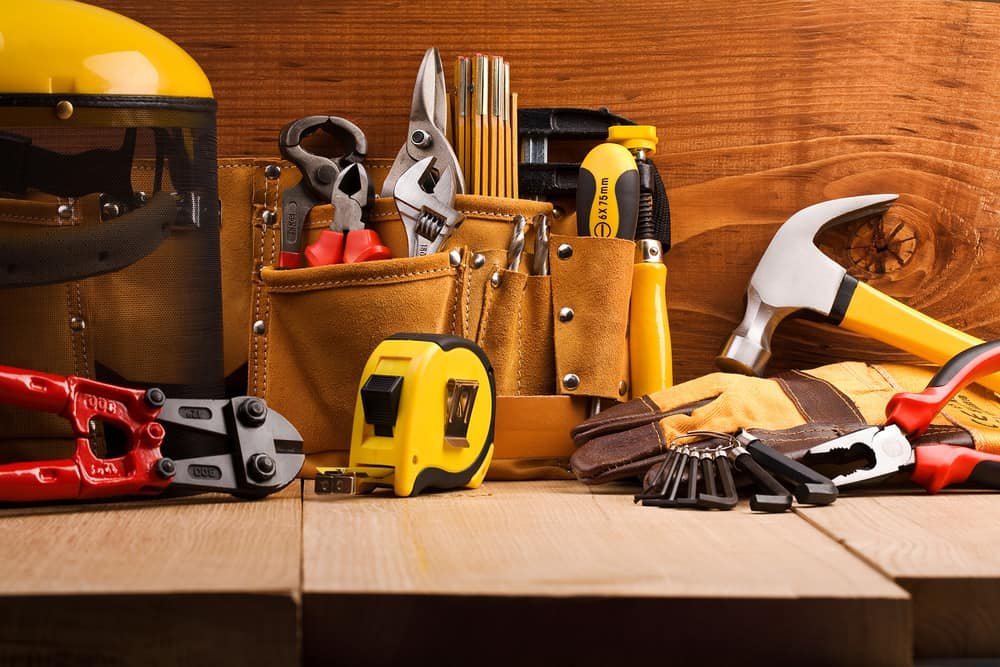
Essential Industrial Tools: What Every Facility Needs for Maintenance and Operations
Every industrial facility needs the right tools to keep equipment, machinery, workshops and work areas operating efficiently. From routine repairs and measurements to equipment maintenance, fabrication and troubleshooting, having suitable tools available can reduce unnecessary delays and make maintenance work more organised.
However, there is no single tool list that applies to every facility. A manufacturing plant, marine workshop, construction company, engineering workshop and maintenance department may have different requirements depending on the equipment they operate and the type of work carried out.
This guide looks at some of the essential industrial tools that facilities should consider, including hand tools, power tools, measuring and testing equipment, welding tools and other maintenance equipment. It also explains what to consider when selecting and maintaining tools for industrial use.
Why Industrial Facilities Need the Right Tools
Industrial maintenance often involves tasks that cannot be completed efficiently without suitable tools. A technician may need to tighten or remove fasteners, measure a component, cut material, drill a hole, make an adjustment, inspect equipment or carry out a repair.
Having the appropriate tools available can help maintenance teams carry out these tasks without unnecessary interruptions. It can also help technicians use the correct tool for the job rather than improvising with equipment that was not designed for the task.
Morven Industrial’s Industrial Tools and Equipment catalogue covers different categories of tools and equipment for industrial, engineering, workshop and maintenance applications.
1. Industrial Hand Tools
Hand tools remain fundamental to maintenance and workshop operations even in highly automated facilities. They are used for assembly, adjustment, repair, cutting, fastening, measuring and many other routine tasks.
Morven’s Hand Tools category includes products such as hammers, tape measures, levels, pliers, screwdrivers, wrenches, utility knives, wire cutters, socket sets, ratchets, clamps, files and drill bits.
A well-organised hand-tool selection should reflect the types of machinery, components and maintenance tasks found within the facility.
Common hand tools for industrial maintenance
- Hammers for striking, fitting and general workshop tasks
- Wrenches and spanners for fastening and adjustment
- Screwdrivers for installing and removing screws
- Pliers for gripping, bending and holding components
- Socket sets for working with different fastener sizes
- Files for shaping and finishing materials
- Clamps for temporarily securing workpieces
- Utility knives for suitable cutting tasks
- Tape measures and levels for measurement and alignment
For example, socket sets can be useful when maintenance work involves different bolt and nut sizes. Morven’s socket-set range includes metric, SAE, deep and impact socket configurations depending on the set.
2. Power Tools
Power tools are useful where manual tools would require excessive time or effort. Depending on the facility and task, power tools can support drilling, grinding, cutting, fastening, surface preparation and other maintenance activities.
Common examples include drills, grinders, impact tools, saws and other powered equipment.
When selecting a power tool, consider the task, power source, operating environment, required capacity, accessories and manufacturer’s instructions. The tool should be appropriate for the material and application rather than selected solely because it has a higher power rating.
Morven’s shop structure includes a dedicated Power Tools section within its Industrial Tools and Equipment catalogue.
3. Measuring and Testing Tools
Maintenance is not only about repairing equipment after something goes wrong. Measurement and testing can help technicians assess dimensions, conditions and equipment performance during inspection and maintenance activities.
Depending on the facility, useful testing categories can include Testing Equipment, metal testing equipment, concrete testing equipment, cement testing equipment and paint and coating testing equipment.
Basic measuring tools such as tape measures and levels can support everyday workshop work, while more specialised testing equipment may be required for quality control, engineering inspections or material testing.
The correct testing instrument depends on what is being measured and the level of accuracy required. Facilities should therefore select equipment according to their actual inspection and testing procedures.
4. Welding Tools and Equipment
Facilities involved in fabrication, construction, engineering, ship repair or equipment maintenance may require welding tools and equipment as part of their workshop operations.
Morven’s Welding Equipment and Accessories category includes welding clamps, welding cables, welding nozzles, flow meters, welding blankets, welding tents, welding gauges, welding cutting torches, welding tables and gas regulators.
For example, a welding table provides a stable work surface for welding, cutting and assembling metal components. A suitable welding setup may also require regulators, cables, clamps, protective equipment and other accessories depending on the welding process.
Welding equipment should be selected according to the process, material, gas requirements and working conditions. Operators should also follow the relevant equipment instructions and workplace safety procedures.
5. Cutting, Drilling and Material Preparation Tools
Industrial maintenance and fabrication frequently involve preparing materials before assembly, repair or installation. Cutting and drilling tools can therefore form an important part of a workshop’s tool inventory.
Drill bits, utility knives, files, saws, wire cutters and other cutting or preparation tools are available within Morven’s industrial hand-tool range.
The tool should always match the material and task. A tool designed for a particular material or application should not automatically be used for another task without confirming its suitability.
For powered cutting and grinding operations, appropriate guards, accessories and personal protective equipment are also important. OSHA notes that hand and power tools can create serious hazards when they are improperly used or maintained, and its standards address tool condition, guarding and other requirements. OSHA’s hand and power tools guidance provides additional information on workplace tool safety.
6. Plumbing and Pipework Tools
Industrial facilities with water, process piping, compressed air or other pipework systems may also require plumbing and pipework tools for installation and maintenance tasks.
These tools can help technicians work on fittings, pipes, valves and related components. The correct equipment will depend on the pipe material, fitting type, dimensions and maintenance procedure.
Morven’s Industrial Tools and Equipment catalogue includes a Plumbing Tools section for relevant applications.
7. Tools for Cleaning and Maintenance
Tools and equipment used for cleaning are also important in industrial environments. Keeping workshops, production areas and equipment clean can make maintenance tasks easier and help technicians identify leaks, contamination, wear and other problems.
Morven’s Cleaning and Maintenance category includes cleaning equipment, tools, accessories, chemicals and spill-control products.
Depending on the facility, cleaning equipment may include pressure cleaners, floor sweepers, vacuum cleaners, scrubbing machines, floor polishers, steam cleaners and other specialised equipment.
Facilities dealing with oil or chemical spills may also require appropriate spill-control products such as absorbents, containment equipment and spill kits.
8. Lubrication and Maintenance Supplies
Industrial tools alone are not enough to maintain equipment. Lubrication products and maintenance supplies can also form part of a facility’s maintenance program.
Industrial lubricants can help reduce friction and protect suitable equipment components from wear when the correct lubricant is selected for the application.
Morven’s Industrial Grease category includes products such as TotalEnergies Transfix GC, Shell Gadus S2 V220, Shell Gadus S3 V220C, Total Ceran XM 220, Mobil Grease XHP 222 and other industrial grease products.
Lubricant selection should be based on the equipment manufacturer’s requirements, operating conditions, temperature and load rather than simply choosing the most commonly used grease or oil.
How to Choose Industrial Tools for Your Facility
Buying industrial tools requires more than simply creating a list of popular tools. The best selection depends on the work performed at the facility and the equipment being maintained.
Consider the type of work
Start by identifying the maintenance and production tasks carried out regularly. A fabrication workshop may need more welding and cutting equipment, while a maintenance department may require a broader selection of hand tools, testing instruments and power tools.
Consider the working environment
Industrial tools may be used in workshops, factories, construction sites, marine environments and other demanding locations. Consider exposure to moisture, dust, chemicals, heat and other environmental factors when selecting tools and storage systems.
Choose the correct tool for the task
A tool should be selected according to the job it is designed to perform. Using the wrong tool can reduce efficiency and create unnecessary safety risks.
Check maintenance requirements
Tools should be inspected and maintained regularly. Damaged handles, worn components, blunt cutting edges, damaged electrical cords and other defects should be addressed before the tool is returned to service.
Industrial Tool Safety and Maintenance
Industrial tools can be extremely useful, but they must be used correctly. OSHA notes that hand and power tools are common across many industries but can cause serious injuries when improperly used or maintained. :contentReference[oaicite:2]{index=2}
Facilities should establish appropriate procedures for tool inspection, storage, maintenance and use. Workers should receive suitable training for specialised equipment and should use the required personal protective equipment for the task.
Power tools require particular attention to electrical safety, guards, accessories and operating conditions. OSHA recommends practices such as disconnecting tools before servicing or changing accessories and removing damaged portable electric tools from use. :contentReference[oaicite:3]{index=3}
For workplace safety equipment, Morven also provides a dedicated Safety and Personal Protective Equipment category covering PPE and other workplace safety products.
Keep an Industrial Tool Inventory
A facility can have the right tools and still experience delays if tools cannot be found when they are needed. A simple tool inventory system can help maintenance teams know what is available, what needs repair and what needs replacement.
Common practices include assigning storage locations, checking tools after use, maintaining records for specialised equipment and keeping frequently used tools accessible to the relevant maintenance teams.
For expensive or specialised equipment, facilities may also benefit from tracking inspection dates, maintenance history and responsible users.
Build Your Industrial Tool Catalogue Around Your Operations
There is no universal list of tools that every industrial facility must purchase. The right inventory depends on the equipment, processes, maintenance requirements and working environment of the facility.
A practical starting point is to establish a core selection of industrial hand tools, followed by the power tools, testing equipment, welding equipment, plumbing tools, cleaning equipment and other specialised products required for the facility’s operations.
Morven Industrial’s Industrial Tools and Equipment catalogue provides access to different tool categories for workshops, maintenance departments, engineering operations and industrial applications.
Get Industrial Tools and Equipment in Nigeria
Morven Industrial supplies industrial tools and equipment for different applications in Nigeria, including hand tools, power tools, testing equipment, welding equipment and other engineering products.
If you are sourcing tools for a workshop, factory, maintenance department, construction project or industrial facility, provide details about the application and type of equipment required when making an enquiry.
Browse the Industrial Tools and Equipment catalogue or contact Morven Industrial to discuss your equipment requirements.
Posts Widget
-
1

-
2

-
3

-
4