
Industrial Equipment Maintenance: Preventive Maintenance, Inspection and Best Practices
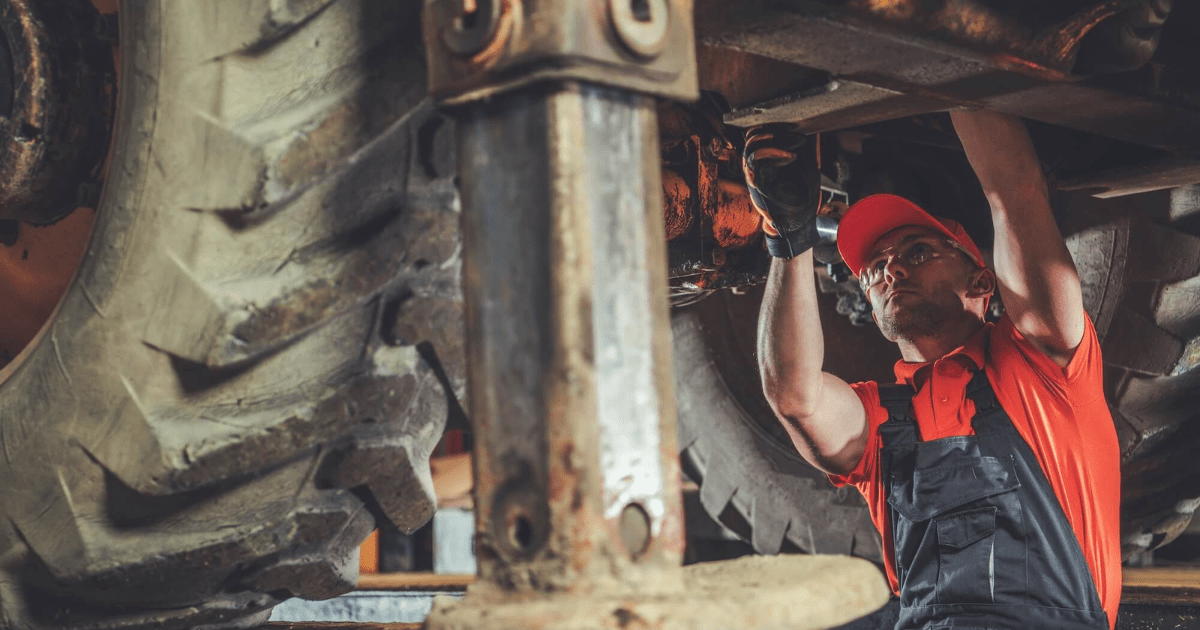
Industrial equipment maintenance is an important part of keeping factories, workshops, processing facilities, construction sites, marine operations and other industrial environments running safely and efficiently. Industrial machines are often exposed to heavy workloads, vibration, heat, dust, moisture, chemicals and continuous operation. Without proper maintenance, relatively small problems can develop into equipment failure, production delays and expensive repairs.
A good maintenance programme is not simply about repairing equipment after it breaks down. It involves regular inspections, cleaning, lubrication, adjustment, servicing and replacement of worn components before they become major problems.
For businesses operating industrial equipment in Nigeria, having a structured maintenance approach can help improve equipment reliability, support safer operations and make it easier to identify potential problems before they result in unexpected downtime.
What Is Industrial Equipment Maintenance?
Industrial equipment maintenance refers to the planned activities carried out to keep machinery, tools and equipment operating properly. Depending on the type of equipment and operating conditions, maintenance may include inspection, cleaning, lubrication, adjustment, calibration, component replacement, repairs and testing.
The exact maintenance requirements vary from one machine to another. Equipment manufacturers normally provide maintenance instructions, recommended service intervals and information about suitable lubricants, replacement parts and operating conditions.
For this reason, maintenance teams should consider the equipment manufacturer’s recommendations together with the actual operating environment and the history of the equipment.
Why Is Industrial Equipment Maintenance Important?
Industrial equipment can represent a significant investment, and equipment failure can affect more than the machine itself. A breakdown may interrupt production, delay a project, affect delivery schedules and create additional repair or replacement costs.
Regular maintenance helps businesses identify problems earlier and address wear, contamination, lubrication issues, loose components and other developing faults before they become more serious.
Maintenance is also an important part of workplace safety. OSHA recommends routine preventive maintenance of equipment, facilities and controls as part of preventing incidents caused by equipment failure.
Types of Industrial Equipment Maintenance
1. Preventive Maintenance
Preventive maintenance involves carrying out planned maintenance activities at scheduled intervals rather than waiting for equipment to fail.
Depending on the equipment, a preventive maintenance programme may include lubrication, cleaning, inspection, tightening, adjustment, filter replacement and replacement of components that have reached the end of their expected service interval.
The maintenance schedule should be based on the manufacturer’s recommendations, equipment operating conditions and previous maintenance experience.
2. Corrective Maintenance
Corrective maintenance is performed when a problem has already been identified. The objective is to correct the fault and return the equipment to an appropriate operating condition.
Examples include replacing a worn bearing, repairing a damaged component, correcting a leaking connection or addressing an electrical or mechanical fault.
Although corrective maintenance is necessary in many situations, relying entirely on breakdown repairs can result in unexpected downtime. A preventive approach can help identify some problems before they develop into equipment failures.
3. Predictive and Condition-Based Maintenance
Predictive maintenance uses information about equipment condition to help determine when maintenance may be required. Depending on the equipment, this can involve monitoring vibration, temperature, oil condition, pressure, noise, electrical characteristics or other operating parameters.
Condition-based maintenance can be useful for critical equipment where an unexpected failure could have a significant operational impact.
The objective is not simply to service every machine at the same time, but to use available information to make maintenance decisions based on equipment condition and operating requirements.
Important Industrial Equipment Maintenance Practices
1. Perform Regular Equipment Inspections
Regular inspection is one of the simplest ways to identify developing equipment problems. Maintenance personnel should look for signs such as unusual noise, vibration, overheating, leaks, corrosion, loose components, damaged guards and abnormal wear.
Inspection frequency should depend on the type of equipment, operating conditions, manufacturer’s recommendations and the consequences of equipment failure.
Inspection records can also help maintenance teams identify recurring problems and determine whether a particular component or machine requires closer attention.
2. Lubricate Equipment Correctly
Lubrication is an important part of maintaining many mechanical systems. The correct lubricant can help reduce friction and wear between moving components and support reliable equipment operation.
However, lubrication should not be treated as simply adding more oil or grease. The lubricant should be suitable for the equipment and application, and the correct quantity and maintenance interval should be followed.
Morven Industrial supplies a range of industrial lubricants for different equipment and operating requirements, including industrial oils and greases.
For example, TotalEnergies Carter SH is an industrial gear oil listed by Morven for enclosed industrial gear systems, while Shell Gadus S2 V220 is an industrial grease used for applications including bearings and other mechanical systems.
3. Keep Equipment Clean
Dirt, oil deposits, dust and other contaminants can interfere with equipment operation and make it more difficult to identify developing faults.
Cleaning should therefore form part of an appropriate maintenance programme. The cleaning method should be suitable for the equipment and the materials involved, particularly where sensitive electrical, mechanical or coated components are present.
Morven Industrial supplies cleaning and maintenance equipment and products for industrial and commercial applications.
Where chemical cleaning products are required, the product’s technical and safety information should be reviewed before use. Different equipment, deposits and contamination types may require different cleaning methods.
4. Check for Wear and Damage
Components such as bearings, belts, seals, hoses, couplings, gears and other mechanical parts can wear over time. The rate of wear depends on factors such as load, speed, temperature, lubrication, contamination and operating conditions.
Maintenance teams should monitor components that are known to be subject to wear and replace damaged or worn parts according to the equipment manufacturer’s requirements or an appropriate maintenance procedure.
5. Check for Corrosion
Corrosion can affect equipment operating in humid, marine, chemical or other aggressive environments. Steel components may be particularly vulnerable where protective coatings have been damaged or where moisture and contaminants remain on the surface.
Regular inspection can help identify corrosion before it becomes a more significant maintenance issue.
For equipment and structures exposed to corrosive environments, appropriate protective coatings and surface preparation should be considered as part of the wider maintenance strategy. Morven Industrial supplies a range of painting and protective coating products for industrial and marine applications.
How to Create an Industrial Equipment Maintenance Programme
Start With an Equipment Register
A maintenance programme should begin with an understanding of the equipment that needs to be maintained. Create an equipment register containing important information such as the equipment name, model, manufacturer, location, identification number and operating function.
Critical equipment should be clearly identified so that maintenance resources can be prioritised appropriately.
Review Manufacturer Recommendations
Manufacturer documentation should be an important reference when establishing maintenance intervals and procedures. It may provide information about lubrication, inspections, replacement parts, service intervals and operating limitations.
Where manufacturer instructions are available, maintenance teams should use them as a starting point rather than creating arbitrary service intervals.
Set Maintenance Intervals
Maintenance intervals can be based on operating hours, calendar periods, production cycles or equipment condition, depending on the machine and manufacturer’s recommendations.
For example, some equipment may require inspection after a certain number of operating hours, while other equipment may need routine checks weekly, monthly or annually.
Record Maintenance Activities
Every significant maintenance activity should be documented. Records can include the date of inspection, equipment condition, work performed, parts replaced, lubricant used, technician responsible and any follow-up action required.
Good maintenance records make it easier to identify recurring faults and review equipment performance over time.
Common Signs That Industrial Equipment Needs Maintenance
Equipment may provide warning signs before a major failure occurs. Some common signs include:
- Unusual noise or vibration
- Excessive heat or abnormal temperature
- Oil, hydraulic fluid or other leaks
- Reduced equipment performance
- Unusual odours or smoke
- Visible corrosion or surface damage
- Loose, cracked or worn components
- Increasing energy consumption
- Repeated equipment alarms or faults
- Unexpected changes in operating pressure or performance
These signs do not automatically identify a particular fault. They should be treated as indications that further inspection or technical assessment may be required.
Choosing the Right Tools and Maintenance Products
Effective maintenance depends not only on the maintenance schedule but also on having suitable tools, consumables and replacement components available when they are needed.
Morven Industrial’s industrial tools and equipment category includes hand tools, power tools, testing equipment and other equipment used across different industrial applications.
For maintenance teams, having the appropriate tools available can make routine inspection, adjustment and repair work more organised and efficient.
Lubricants should also be selected according to the equipment manufacturer’s requirements and the operating conditions. Using an unsuitable lubricant can create additional maintenance problems rather than solving the original issue.
Industrial Equipment Maintenance in Nigeria
Industrial equipment operating in Nigeria may be exposed to demanding environmental and operating conditions, including high temperatures, humidity, dust, coastal environments and heavy industrial workloads. These conditions can make routine inspection and maintenance particularly important for equipment used in manufacturing, marine operations, construction, oil and gas, power generation and other industrial sectors.
Businesses should therefore develop maintenance procedures around the actual equipment and operating environment rather than relying on a single maintenance schedule for every machine.
Where specialist equipment, tools, lubricants, cleaning products or protective coatings are required, sourcing the correct products for the application is also an important part of maintenance planning.
Best Practices for Better Equipment Reliability
A practical industrial equipment maintenance programme should focus on consistency. Maintenance activities should not only happen after a machine develops a serious fault.
Some useful practices include:
- Follow the manufacturer’s maintenance recommendations.
- Inspect critical equipment regularly.
- Keep equipment and maintenance areas clean.
- Use the correct lubricant for each application.
- Monitor equipment for unusual operating conditions.
- Replace worn or damaged components at the appropriate time.
- Keep accurate maintenance records.
- Train maintenance personnel on relevant procedures.
- Maintain suitable tools, spare parts and consumables.
- Review recurring equipment failures and investigate their causes.
Routine preventive maintenance is also recommended by OSHA as part of workplace safety and hazard prevention, particularly where equipment failure could contribute to an incident.
Conclusion
Industrial equipment maintenance is an ongoing process that involves inspection, preventive servicing, lubrication, cleaning, repairs, condition monitoring and proper record keeping.
A structured maintenance programme can help businesses identify developing problems earlier, support safer operations and reduce avoidable interruptions caused by equipment failure. The exact maintenance approach should always reflect the equipment manufacturer’s recommendations, operating conditions and the importance of the machine to the overall operation.
Morven Industrial supplies industrial tools and equipment, industrial lubricants, cleaning and maintenance products, protective coatings and other products used across industrial applications in Nigeria. Contact Morven Industrial to discuss your equipment, maintenance and industrial supply requirements.
Posts Widget
-
1

-
2

-
3

-
4