
ESAB Welding Electrodes in Nigeria: Types, Applications and Supplier Guide
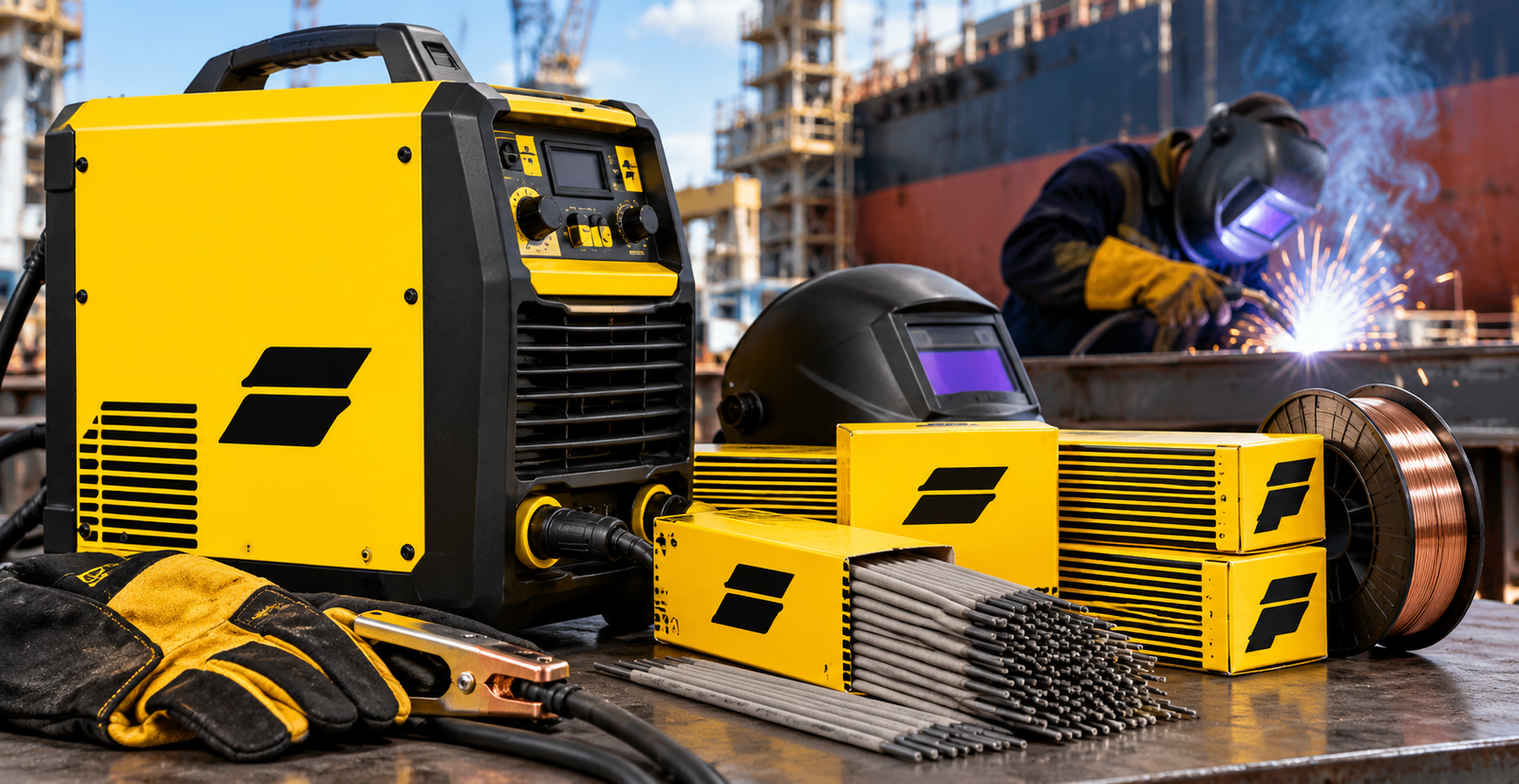
ESAB Welding Electrodes in Nigeria: Types, Applications and Supplier Guide
Welding electrodes are an important part of many fabrication, construction, maintenance and industrial welding operations. The electrode selected for a job can affect the welding process, the properties of the deposited weld metal and the suitability of the finished joint for its intended application.
For businesses looking for ESAB welding electrodes in Nigeria, it is important to look beyond the brand name and consider the type of electrode, base material, welding process, position, required weld properties and project specification.
ESAB produces a broad range of welding consumables for different materials and welding applications. Its covered electrodes include products for mild steel, low-alloy steel, stainless steel and specialised applications. Morven Industrial supplies welding consumables in Nigeria and can assist customers looking for suitable welding products for industrial and fabrication requirements.
What Are ESAB Welding Electrodes?
Welding electrodes are consumable materials used in welding to create an electrical arc and provide filler metal for joining materials. Different electrodes are designed for different welding processes, base materials and service requirements.
ESAB’s electrode range includes covered stick electrodes for manual metal arc welding, commonly referred to as MMA or SMAW. The company also manufactures other welding consumables, but the appropriate product depends on the welding process and the requirements of the application.
For example, ESAB’s OK 48.04 electrode is a general-purpose electrode for welding mild and low-alloy steels, while other ESAB electrodes are designed for specific materials and applications.
Types of ESAB Welding Electrodes
There is no single welding electrode suitable for every application. ESAB offers different electrode types, and the correct choice depends on the material being welded, welding position, required mechanical properties and applicable welding specification.
Rutile Electrodes
Rutile electrodes are commonly selected for welding applications where ease of use, arc characteristics and weld appearance are important. ESAB’s range includes rutile electrodes designed for general fabrication and related welding work.
For example, ESAB OK 43.32 is described by the manufacturer as a rutile electrode suitable for welding in the flat position, with good weld bead appearance and slag detachability.
Basic and Low-Hydrogen Electrodes
Basic electrodes are used in applications where controlled hydrogen levels and suitable weld properties are important considerations. They are commonly associated with structural fabrication and other demanding welding applications.
ESAB’s OK 48.04 is an example of a basic, low-moisture-absorption electrode for mild and low-alloy steels.
When using low-hydrogen electrodes, storage and handling are also important. ESAB provides specific guidance on keeping covered electrodes protected from moisture and reconditioning them where applicable.
Cellulosic Electrodes
Cellulosic electrodes are used in particular pipeline and positional welding applications where deep penetration and suitable arc characteristics are required.
ESAB’s PIPEWELD 6010 PLUS, for example, is a cellulosic-coated electrode designed for pipe and pipeline welding in different positions. The appropriate electrode should always be selected according to the pipe material, welding procedure and applicable specification.
Stainless Steel Electrodes
Stainless steel welding requires an electrode compatible with the stainless steel grade and the required weld properties. Using the wrong filler metal can affect the performance and suitability of the finished weld.
ESAB manufactures stainless and specialised alloy electrodes for different applications. The specific grade should be selected according to the base material and the welding procedure being used.
Where Are ESAB Welding Electrodes Used?
ESAB welding electrodes can be used across different industries, but each product has its own recommended applications. Common areas where welding consumables are required include fabrication, construction, manufacturing, oil and gas, marine work, maintenance and repair.
Construction and Structural Fabrication
Construction and fabrication projects often involve welding structural steel, frames, supports, platforms and other components. The electrode selected should be appropriate for the steel grade and the requirements of the welding procedure.
For projects that require general welding consumables, you can also view Morven Industrial’s Welding Consumables category.
Oil and Gas
Welding is widely used in oil and gas fabrication, maintenance and pipeline-related work. These projects can have strict material, welding procedure and inspection requirements.
For such applications, electrode selection should be based on the base material, welding position, applicable classification and project specification rather than simply selecting an electrode based on brand or price.
Marine and Shipbuilding
Marine fabrication and repair can involve structural steel, vessels, platforms and other metal components. Welding consumables used in these environments need to match the material and required welding procedure.
Some ESAB electrodes are specifically listed by the manufacturer for ship and marine-related applications. The product documentation should be checked before specifying an electrode for a particular marine project.
Industrial Maintenance and Repairs
Maintenance teams often need welding electrodes for repairing machinery, equipment, steel structures and fabricated components. In these situations, the correct electrode can depend on the material being repaired, the condition of the component and the required mechanical properties of the weld.
How to Choose the Right ESAB Welding Electrode
Choosing an electrode should begin with the welding job rather than the product name. Several factors should be considered before placing an order.
1. Identify the Base Material
First determine what material is being welded. Mild steel, low-alloy steel, stainless steel and specialised alloys can require different filler metals.
2. Check the Welding Process
Confirm whether the job will be performed using MMA/SMAW or another welding process. Stick electrodes are designed for specific welding processes, while other applications may require solid wires, flux-cored wires or other consumables.
3. Consider the Welding Position
The required welding position can influence electrode selection. Some electrodes are suitable for multiple positions, while others are designed for specific welding orientations.
4. Check the Electrode Classification
Electrode classifications help identify the intended performance and material characteristics of a welding consumable. Always compare the electrode classification with the requirements of the welding procedure or project specification.
5. Consider Storage and Moisture Control
Proper storage is particularly important for electrodes where moisture control is part of the product requirements. ESAB’s storage guidance explains that filler metals should be protected from direct contact with water and stored under suitable conditions.
For low-hydrogen electrodes, following the manufacturer’s storage, handling and reconditioning instructions can be especially important to maintain the intended welding characteristics.
Why Electrode Storage Matters
Welding electrodes are not simply products that can be stored anywhere until they are needed. Storage conditions can affect the condition of some electrode coatings, particularly products that require controlled moisture exposure.
ESAB’s technical guidance notes that the useful storage life of welding filler metals depends on the storage conditions and packaging. Hermetically sealed packaging is designed to protect suitable products from moisture exposure, while other packaging requires appropriate environmental protection.
For this reason, businesses purchasing welding electrodes in quantity should also consider how the consumables will be stored before they are used.
ESAB Welding Electrodes Supplier in Nigeria
Morven Industrial supplies welding consumables in Nigeria for fabrication, construction, maintenance and industrial applications.
The current Morven Welding Consumables category includes products such as Lincoln Electric Excalibur 8018-C1, Lincoln Electric Pipeliner 16P, Lincoln Electric Fleetweld 5P+, Lincoln Electric Excalibur 7018, aluminium welding electrodes, stainless steel welding electrodes, mild steel welding electrodes, low hydrogen electrodes and other welding consumables.
You can view the available welding consumables from Morven Industrial or contact the team if you need assistance identifying the appropriate welding product for your project.
Choosing Welding Electrodes for Your Project
The right welding electrode depends on several factors, including the material being welded, welding process, position, required weld properties and project specification. Brand alone should not be the only consideration when selecting a consumable.
For businesses sourcing welding electrodes in Nigeria, it is also useful to provide the supplier with information about the application, material grade, electrode classification and required quantity. This makes it easier to identify products that match the actual welding requirement.
Morven Industrial provides welding consumables for industrial and fabrication requirements in Nigeria. Whether you are sourcing electrodes for construction, manufacturing, maintenance, marine work or other welding applications, you can contact the team with your project requirements and product specifications.
Looking for ESAB welding electrodes in Nigeria? Contact Morven Industrial to discuss your welding consumable requirements, product availability and supply options.
Posts Widget
-
1

-
2

-
3

-
4