
Types of Epoxy Paint and Coatings: Uses, Applications and How to Choose
Types of Epoxy Paint and Coatings: Uses, Applications and How to Choose
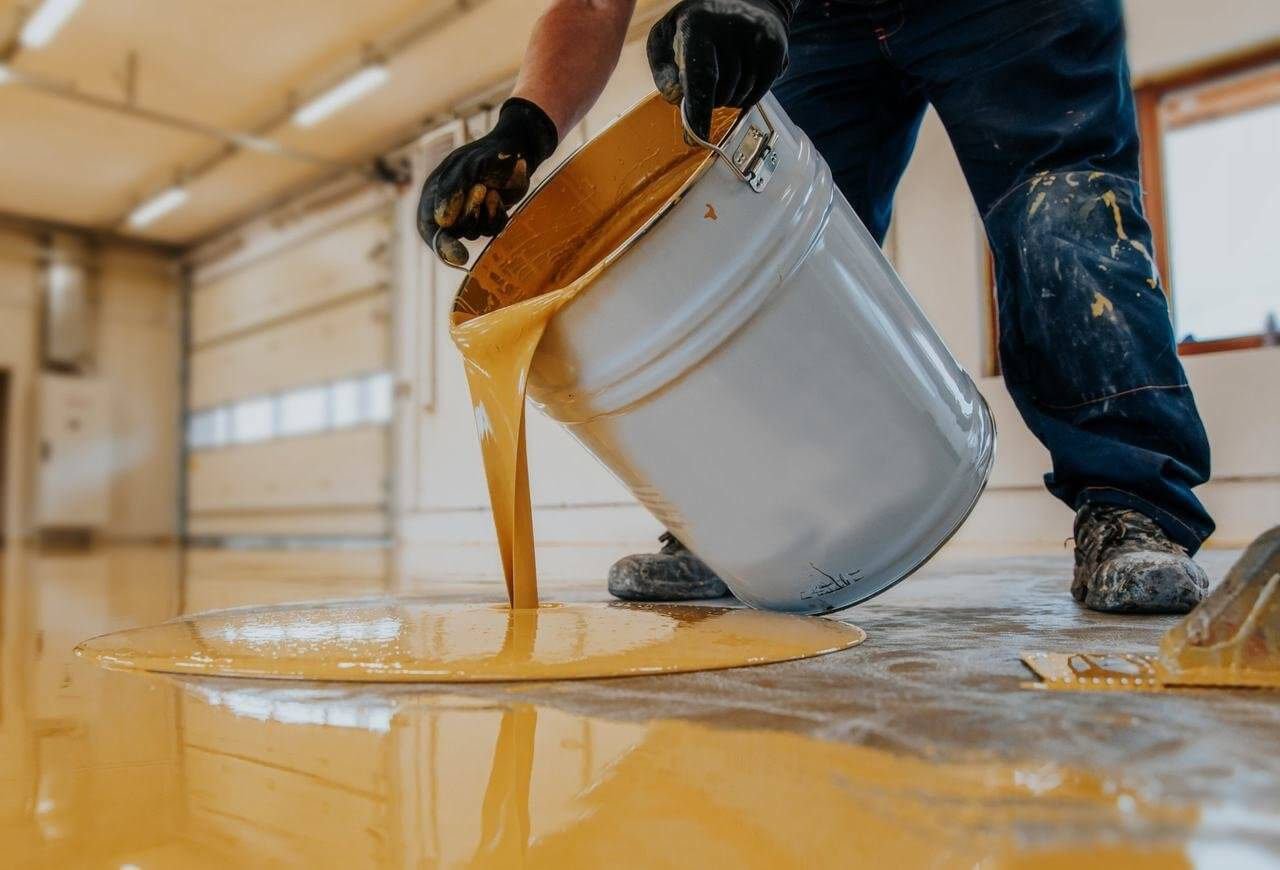
Epoxy coatings are widely used where a surface needs more than a basic decorative finish. Depending on the formulation and intended application, an epoxy coating can be designed to provide corrosion protection, chemical resistance, abrasion resistance, adhesion and barrier protection for steel, concrete and other substrates.
However, epoxy paint is not one single type of product. Different epoxy systems are formulated for different purposes. An epoxy primer, for example, performs a different role from a high-build epoxy coating or a specialised epoxy tank lining.
Understanding the different types of epoxy paint and coatings can therefore make it easier to select the right system for a marine vessel, industrial structure, tank, machinery, concrete surface or maintenance project.
In this guide, we look at the main types of epoxy coatings, their applications and the factors to consider when selecting an epoxy coating for an industrial or marine project in Nigeria.
What Is Epoxy Paint?
Epoxy paint is a general term used for coatings based on epoxy resin technology. Many industrial epoxy coatings are supplied as two-component systems consisting of a base and curing agent. When the components are combined according to the manufacturer’s instructions, the coating cures to form a protective film.
The performance of an epoxy coating depends on its formulation, substrate, surface preparation, application method, curing conditions and the environment in which it will operate.
The Association for Materials Protection and Performance (AMPP) explains that protective coatings can protect metal by physically separating the substrate from its environment. Epoxies are among the polymer materials commonly used in protective coating systems. :contentReference[oaicite:2]{index=2}
1. Epoxy Primer
An epoxy primer is normally used as part of a protective coating system to establish adhesion and provide an initial protective layer between the substrate and subsequent coats.
Epoxy primers are particularly common on steel and other substrates where corrosion protection is an important consideration.
PPG Sigmaprime 200 is a universal epoxy anticorrosive primer based on pure epoxy technology. Morven’s product information lists applications including ballast tanks, decks, topsides, superstructures, hulls, cargo oil tanks and cargo holds.
Another example is PPG SigmaCover 280, a universal epoxy anticorrosive primer used in protective coating systems for steel and non-ferrous metals. Its listed applications include ballast tanks, decks, topsides, superstructures, hulls and cargo oil tanks.
2. High-Build Epoxy Coatings
High-build epoxy coatings are formulated to achieve a relatively substantial protective film in a coating application. They are commonly used where barrier protection and durability are important parts of the coating specification.
PPG SigmaCover 350 is a two-component, high-build polyamide-cured epoxy primer/coating listed for marine and protective coating applications. Its uses include topsides, decks, superstructures and cargo holds, and it can be applied to properly prepared steel and concrete.
PPG SigmaCover 456 is another high-build epoxy coating in Morven’s catalogue. It is a two-component, polyamide-cured recoatable epoxy coating intended for protective coating systems on steel and concrete structures exposed to atmospheric land or marine conditions.
High-build does not mean that the same product is suitable for every project. The required dry film thickness, surface preparation, number of coats and application method should always be taken from the manufacturer’s technical documentation.
3. Epoxy Mastic Coatings
Epoxy mastic coatings are commonly associated with maintenance and repair work where surface preparation conditions may be different from those of new construction projects.
Jotamastic 90 is a two-component polyamine-cured epoxy mastic coating designed for repair and maintenance. Morven’s product information describes it as surface tolerant, high solids and high build.
Jotamastic 90 can be used as a primer, midcoat, finish coat or single-coat system in specified atmospheric and immersed environments. Its listed applications include marine areas, offshore structures, refineries, power plants, bridges, buildings and mining equipment.
Another product in Morven’s catalogue is PPG SigmaCover 630, a two-component, surface-tolerant, high-build polyamide-cured epoxy primer/coating. It is particularly listed for maintenance coating applications involving dry cargo holds, decks and hulls.
4. Epoxy Finish Coatings
Some epoxy products are formulated to function as buildcoats or finish coats within a larger protective coating system. Their role depends on the project specification and the manufacturer’s recommendations.
Intergard 475HS is a two-component, low-VOC, high-solids, high-build epoxy finish. Morven’s product information lists applications including offshore structures, petrochemical facilities, pulp and paper factories and bridges.
Intergard 475HS is used as part of anticorrosive coating systems and is intended to provide high-build barrier protection. Where appearance is important, the manufacturer recommends suitable overcoating with an appropriate finish system.
This illustrates an important point: an epoxy product may be one component of a complete coating system rather than a stand-alone solution.
5. Epoxy Tank Linings
Tank linings are specialised coatings designed for the internal surfaces of tanks and storage or processing containers. The chemical exposure, temperature, contents of the tank and required service conditions all need to be considered when selecting a lining.
Interline 399 is a two-component epoxy novolac tank lining with high crosslinking. Morven’s product information states that it provides good heat and solvent resistance and is intended for internal lining of storage and processing containers at specified temperatures.
Interline 399 requires properly prepared, clean and dry surfaces before application. Its application also follows specific International Protective Coatings working rules for tank linings.
Another specialised product is Interline 850, an epoxy phenolic coating supplied as a two-component system. Morven lists it for tank lining applications, including new construction and maintenance and repair.
Tank linings should not be selected solely because a product is described as an epoxy. Compatibility with the stored material, substrate, operating temperature, immersion conditions and application procedure must be confirmed from the manufacturer’s technical documentation.
6. Epoxy Coatings for Marine Applications
Marine structures can experience moisture, saltwater, corrosion, abrasion and changing environmental conditions. Protective coating systems for vessels and marine structures therefore need to be selected according to the particular area and exposure.
Epoxy systems are commonly used within marine protective coating systems because of their barrier and corrosion-protection characteristics.
Morven’s Painting and Protective Coating catalogue includes epoxy products from PPG, Jotun and International Paint for different marine and protective coating applications.
For example, SigmaCover 350 is listed for marine areas including topsides, decks, superstructures and cargo holds, while SigmaCover 280 is listed for areas including ballast tanks, decks, topsides, superstructures, hulls and cargo oil tanks.
7. Epoxy Coatings for Industrial Structures
Industrial structures can require protection against atmospheric exposure, moisture, chemicals, mechanical wear and corrosion. The appropriate epoxy system depends on the asset and the environment rather than simply the fact that the project is industrial.
Intergard 475HS, for example, is listed for environments including offshore structures, petrochemical facilities, pulp and paper factories and bridges. PPG SigmaCover products in the Morven catalogue are also used in marine and protective coating systems for steel and concrete.
For industrial projects, the coating specification should identify the substrate, surface preparation standard, coating system, required film thickness, environmental conditions and expected exposure.
8. Epoxy Coatings for Steel and Concrete
Steel and concrete have different surface characteristics, so the coating system must be selected accordingly.
Several Morven epoxy products are listed for steel applications, while some are also suitable for concrete. PPG SigmaCover 350, for example, is listed for properly prepared steel and concrete surfaces.
Surface preparation remains critical. Removing oil, grease, salts, rust, loose material and other contamination helps establish the conditions required for proper coating adhesion.
AMPP notes that protective coating application involves surface preparation followed by the application of coating layers appropriate to the surface, environment and protection objectives. :contentReference[oaicite:3]{index=3}
How to Choose the Right Type of Epoxy Coating
Choosing an epoxy coating should begin with the conditions the coating will face. Consider the following factors before selecting a product:
- Substrate: Determine whether the surface is steel, concrete, galvanized steel, aluminium or another material.
- Environment: Consider whether the asset is indoors, outdoors, marine, offshore, immersed or exposed to industrial conditions.
- Corrosion exposure: Assess the likelihood of moisture, saltwater and other corrosive exposure.
- Chemical exposure: Identify the chemicals, oils, fuels or other substances that may contact the coating.
- Abrasion: Consider mechanical wear, impact, traffic or equipment movement.
- Surface preparation: Confirm the required preparation standard before selecting the coating system.
- Application method: Check whether the product is designed for airless spray, conventional spray, brush, roller or other application methods.
- Film thickness: Follow the manufacturer’s specified dry film thickness and coating system requirements.
- Overcoating: Confirm compatibility between the epoxy product and any subsequent primer, intermediate coat or finish coat.
- Service conditions: Consider immersion, temperature, humidity and other conditions that may affect coating performance.
Why Surface Preparation Matters for Epoxy Coatings
Even a technically suitable epoxy coating can perform poorly if the substrate is not prepared correctly.
Surfaces should be clean and free from contamination, and the preparation method should follow the requirements of the selected product. Depending on the coating, preparation may involve abrasive blasting, power-tool cleaning, water jetting, degreasing or another specified method.
For example, the Morven product information for SigmaCover 380 specifies preparation requirements for steel, shop-primed steel, galvanized steel and previously coated surfaces. The product is also listed as a universal pure epoxy primer for marine and protective applications.
Surface preparation should therefore be treated as part of the coating system rather than as a separate step that can be overlooked.
Epoxy Paint Is Not One Product for Every Application
One of the most common mistakes when choosing an epoxy coating is assuming that every epoxy product provides the same performance or is suitable for the same environment.
An epoxy primer may be designed to establish corrosion protection and adhesion. A high-build epoxy may provide barrier protection. An epoxy mastic may be intended for maintenance and repair, while an epoxy novolac or phenolic lining may be formulated for specialised internal tank service.
These differences are why the product’s technical data sheet and the complete coating specification should be reviewed before application.
Explore Epoxy Paint and Protective Coatings in Nigeria
Morven Industrial supplies a range of epoxy paints and protective coating products for marine, industrial and maintenance applications in Nigeria.
The Painting and Protective Coating category includes epoxy primers, high-build coatings, epoxy mastics, tank linings and other protective coating systems from established manufacturers.
If you are looking for an epoxy product for a specific project, provide details such as the substrate, operating environment, exposure conditions, required application method and intended use. These details can help determine which type of coating is appropriate.
For a broader explanation of epoxy materials and their applications, you can also read our guide to epoxy resin and hardener in Nigeria.
If you are comparing epoxy with other coating technologies, our guide on epoxy paint vs traditional paint explains the main differences between epoxy systems and conventional paint.
Get the Right Epoxy Coating for Your Project
The right epoxy coating depends on the surface, environment and performance requirements of the project. Rather than choosing a product simply because it is labelled “epoxy,” consider whether you need an epoxy primer, high-build coating, epoxy mastic, finish coat or specialised tank lining.
Morven Industrial can supply a range of epoxy and protective coating products for industrial, marine and maintenance applications in Nigeria. Browse the Painting and Protective Coating category or contact Morven Industrial with your project requirements.
Posts Widget
-
1

-
2
-
3
-
4