
Common Chemical Hazards in the Workplace: Identification, Prevention and Control
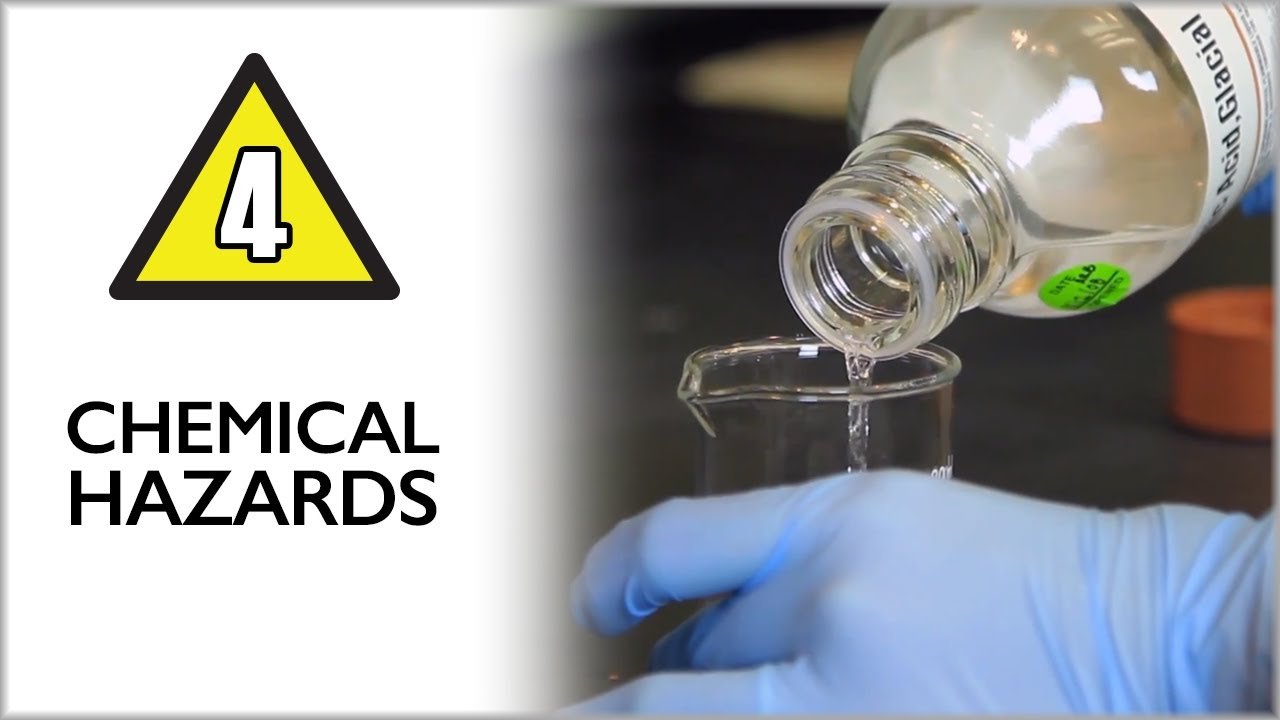
Common Chemical Hazards in the Workplace: Identification, Prevention and Control
Chemicals are used across many industries for cleaning, manufacturing, maintenance, water treatment, construction, oil and gas, marine operations and other industrial processes. While chemicals are essential for many jobs, some can create serious health, fire, environmental and operational risks when they are poorly handled, stored or used.
Understanding chemical hazards in the workplace is an important part of building a safer working environment. The risks associated with a chemical depend on its properties, concentration, quantity, method of use and the way workers may be exposed to it. Some chemicals can irritate the skin or eyes, while others may be corrosive, toxic, flammable or reactive.
For businesses that handle industrial chemicals, safety should begin before a chemical is used. Workers should understand the hazards associated with the material, know how to handle and store it correctly, and have access to appropriate protective equipment and emergency procedures.
What Are Chemical Hazards?
A chemical hazard is a property of a chemical that can cause harm to people, equipment, property or the environment. Chemical hazards can occur during manufacturing, transportation, storage, mixing, application, cleaning, maintenance or disposal.
According to the Occupational Safety and Health Administration (OSHA), chemical hazards can include health hazards such as irritation, toxicity, sensitisation and corrosivity, as well as physical hazards such as flammability, explosibility and chemical reactivity.
The first step in controlling a chemical hazard is therefore to understand the substance being handled and identify the ways workers or the surrounding environment could be exposed to it.
Common Chemical Hazards in the Workplace
1. Toxic Chemicals and Harmful Exposure
Some chemicals can cause harmful effects when they are inhaled, swallowed or absorbed through the skin. The effects may depend on the chemical involved, the amount of exposure and the duration of contact.
Exposure can occur when workers handle chemicals without appropriate controls, work with chemicals in poorly ventilated areas or fail to follow the handling instructions provided for the product.
Businesses should identify chemicals that present exposure risks and provide appropriate controls, worker training and protective measures. Safety Data Sheets (SDS) are an important source of information because they provide details about hazards, handling, storage, exposure controls and emergency measures.
2. Corrosive Chemicals
Corrosive substances can damage skin, eyes, metals and other materials. Acids and strong alkaline substances are common examples of chemicals that may present corrosive hazards.
Accidental splashes can result in serious injuries, particularly when chemicals come into contact with the eyes or exposed skin. Corrosive chemicals should therefore be stored and handled according to the manufacturer’s instructions, with suitable protective equipment and emergency procedures available.
Where appropriate, chemical-resistant gloves, protective clothing and suitable eye or face protection can help reduce the risk of direct contact.
3. Flammable Chemicals
Some chemicals can catch fire easily when exposed to an ignition source. Flammable liquids, vapours and gases can create additional risks in workplaces where there are sparks, flames, hot surfaces or other sources of ignition.
Flammable chemicals should be stored and handled in accordance with their specific safety requirements. Work areas should also be assessed for potential ignition sources, and appropriate ventilation and fire protection measures should be considered.
4. Reactive Chemicals
Some chemicals can react with other substances, heat, water or air. An uncontrolled reaction may produce heat, gases, pressure or other hazardous conditions.
This is why chemicals should not be mixed simply because they appear similar or are being used for the same general purpose. Compatibility information, product labels and the relevant Safety Data Sheet should be reviewed before chemicals are combined or transferred.
5. Chemical Vapours, Fumes and Dust
Chemical exposure is not limited to direct contact with liquids or solids. Some processes can produce vapours, fumes, gases or dust that may become airborne.
Workers can be exposed through breathing contaminated air, particularly when chemicals are used in enclosed or poorly ventilated areas.
Where feasible, engineering controls such as local exhaust ventilation, enclosure or isolation can help reduce exposure at the source. OSHA identifies engineering and work-practice controls as important methods for reducing exposure to hazardous chemicals.
How to Prevent and Control Chemical Hazards
1. Identify the Chemical and Its Hazards
Before using a chemical, workers should know what the product is, what hazards it presents and what precautions are required.
Product labels and Safety Data Sheets can provide important information about chemical hazards, handling, storage, exposure controls, emergency response and disposal considerations. Employers should make relevant safety information available to workers who may be exposed.
2. Use the Hierarchy of Controls
Effective chemical safety should not depend only on workers remembering to wear PPE. OSHA’s hierarchy of controls recommends considering ways to eliminate or reduce the hazard at its source before relying on lower-level controls.
Depending on the situation, controls may include:
- Elimination: Remove the hazardous chemical or hazardous process where possible.
- Substitution: Replace a hazardous chemical with a safer alternative where practical.
- Engineering controls: Use ventilation, enclosure, isolation or other physical controls to reduce exposure.
- Administrative and work-practice controls: Establish safe procedures, training, access controls and appropriate work practices.
- Personal protective equipment: Use suitable gloves, eye protection, protective clothing, footwear or respiratory protection where required.
The appropriate control depends on the chemical, process and workplace conditions. In many situations, a combination of controls provides the most effective approach.
3. Store Chemicals Correctly
Proper chemical storage helps reduce the possibility of spills, leaks, fires and incompatible chemical reactions.
Chemicals should be stored according to their specific storage requirements. Containers should be properly identified and kept in suitable locations. Incompatible chemicals should not be stored together when doing so could create an additional hazard.
Storage areas should also be kept organised so that damaged containers, leaks and other problems can be identified quickly.
4. Provide Appropriate Personal Protective Equipment
PPE can provide an important layer of protection when workers may be exposed to chemical hazards. However, the correct PPE depends on the chemical and the type of exposure involved.
Morven Industrial supplies a range of safety and personal protective equipment, including chemical-resistant boots, gloves, protective clothing, safety eyewear and other workplace safety products.
For example, chemical-resistant boots can be considered where workers require suitable foot protection against chemical contact, while chemical and acid-resistant gloves may be appropriate for tasks involving hand exposure. PPE should always be selected based on the actual hazard and manufacturer’s recommendations.
5. Train Workers Before Chemical Handling
Workers should receive practical information about the chemicals they may handle. Training should cover the hazards of the materials, safe handling procedures, storage requirements, required PPE, spill response and emergency procedures.
Workers should also know where to find the relevant Safety Data Sheets and understand the information they contain.
6. Prepare for Chemical Spills and Emergencies
Even with good preventive controls, chemical spills and other incidents can occur. Workplaces that use hazardous chemicals should have procedures for responding to foreseeable emergencies.
Depending on the operation, this may include suitable spill response materials, emergency communication procedures, evacuation arrangements and access to appropriate fire and first-aid equipment.
For businesses involved in chemical handling and industrial operations, Morven Industrial also supplies cleaning and maintenance chemicals and other industrial products for different operational requirements.
Chemical Safety in Industrial Operations
Chemical hazards can occur across many industries. Manufacturing facilities may handle solvents, acids, cleaning chemicals and raw materials. Marine operations can involve cleaning agents, fuel-treatment chemicals, water-treatment products and maintenance chemicals. Construction and engineering operations may also use coatings, solvents, adhesives and other chemical products.
Morven Industrial supplies a range of industrial chemicals for different industrial applications, including chemicals used in manufacturing, construction, water treatment and other sectors.
The company’s Unitor chemicals category also includes products used for marine, offshore and onshore applications, including cleaning, maintenance, water treatment and related chemical requirements.
Why Chemical Safety Requires the Right Information
There is no single safety procedure that works for every chemical. A product that is safe for one application may be unsuitable for another. Concentration, temperature, ventilation, application method, exposure time and chemical compatibility can all affect the level of risk.
This is why chemical safety should start with product-specific information rather than assumptions. Labels, Safety Data Sheets, technical documentation and workplace risk assessments can help employers and workers determine the appropriate handling, storage and control measures.
OSHA’s guidance on chemical hazard communication also emphasises the importance of labels, Safety Data Sheets and worker training so that employees understand the chemicals they may be exposed to and the protective measures required.
Choosing Chemicals for Your Industrial Application
When sourcing industrial chemicals, safety should be considered alongside technical suitability, application requirements and handling conditions.
Before purchasing a chemical, consider questions such as:
- What process or application will the chemical be used for?
- What hazards are identified for the product?
- What storage conditions are required?
- What PPE and exposure controls are recommended?
- Are there compatibility or mixing restrictions?
- What quantity is required for the application?
- Is the product supported by appropriate technical and safety documentation?
Taking these factors into account can help businesses make more informed purchasing and workplace safety decisions.
Conclusion
Understanding chemical hazards in the workplace is an important part of protecting workers, equipment and industrial operations. Common hazards include toxic exposure, corrosive substances, flammable chemicals, reactive materials and airborne vapours, fumes or dust.
Effective chemical safety involves more than simply wearing protective equipment. Businesses should identify hazards, review product information, improve engineering and work-practice controls, store chemicals appropriately, train workers and maintain suitable emergency procedures.
For industrial and commercial chemical requirements in Nigeria, Morven Industrial supplies a range of industrial chemicals, cleaning and maintenance chemicals and personal protective equipment. Contact Morven Industrial to discuss your chemical, safety or industrial supply requirements.
Posts Widget
-
1

-
2

-
3

-
4