Marine Vessel Protection: A Guide to Corrosion Control, Coatings and Maintenance
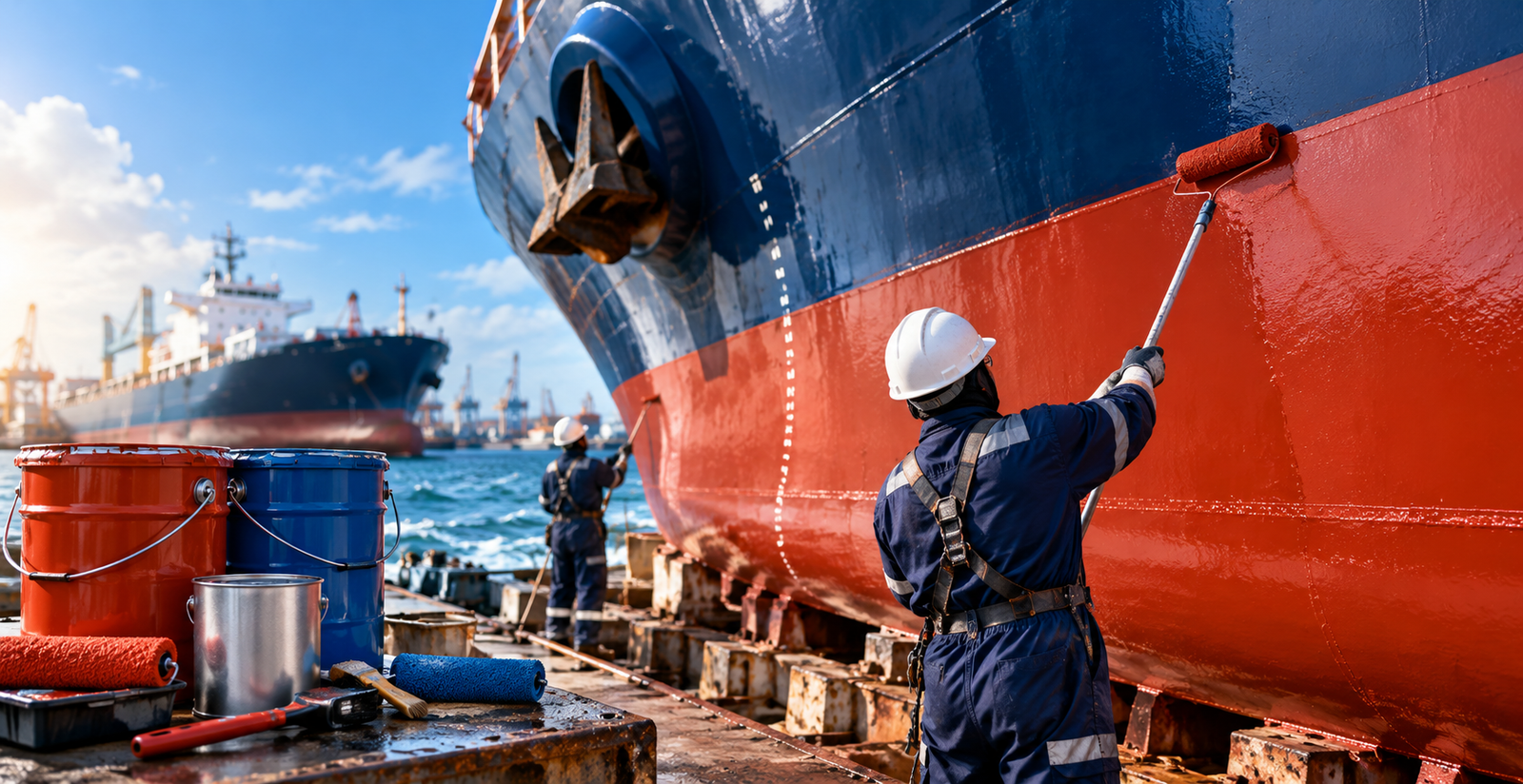
Marine Vessel Protection: A Guide to Corrosion Control, Coatings and Maintenance
Marine vessels operate in one of the most demanding environments for steel and other construction materials. Constant exposure to seawater, moisture, salt, changing temperatures, mechanical wear and marine organisms can gradually affect hulls, decks, tanks, superstructures and other vessel components.
Effective marine vessel protection therefore requires more than applying paint to a ship. A proper protection strategy considers the vessel’s operating environment, the condition of the substrate, surface preparation, coating selection, application, inspection and ongoing maintenance.
For vessel owners, operators, shipyards and maintenance teams in Nigeria, understanding these factors can help reduce corrosion-related problems and support the long-term condition of marine assets.
Why Marine Vessels Need Protection
Seawater and marine environments create conditions that can accelerate corrosion. Steel surfaces can be exposed to water, dissolved salts, oxygen, pollutants and mechanical damage. Areas that remain wet or are repeatedly exposed to seawater can require particular attention.
Corrosion can affect the appearance and condition of a vessel, but its significance goes beyond surface appearance. If corrosion is allowed to progress without appropriate inspection and maintenance, it can contribute to deterioration of steel structures and increase the amount of repair work required.
Protective coating systems are therefore an important part of marine corrosion control. However, coating selection and maintenance should be based on the specific area of the vessel and its service conditions.
Common Areas of a Vessel That Require Protection
Hull and Underwater Areas
The underwater hull is continuously exposed to seawater and can also be affected by marine organisms attaching themselves to the surface. Marine growth can increase surface roughness and affect vessel performance.
Antifouling systems are used on underwater areas to help control the attachment of unwanted marine organisms. The International Maritime Organization (IMO) regulates harmful substances used in antifouling systems through its Anti-Fouling Systems Convention.
Hull protection therefore needs to consider both corrosion control and the condition and suitability of the antifouling system.
Decks and Superstructures
Decks, superstructures and topsides are exposed to weather, salt spray, sunlight, moisture and mechanical wear. Foot traffic, equipment movement and cargo operations can also damage coating systems.
These areas may require protective coating systems selected for their exposure conditions and the type of service they experience.
For example, PPG SigmaCover 350 is listed by Morven Industrial as a high-build anticorrosive epoxy primer/coating for marine and protective coating applications including topsides, decks, superstructures and cargo holds.
Ballast Tanks and Internal Spaces
Internal vessel spaces can have different exposure conditions from external hull surfaces. Ballast tanks, cargo tanks and other enclosed areas may be exposed to water, cargo residues, condensation and other conditions that influence coating performance.
A coating system suitable for an external deck may not be appropriate for a tank or continuously immersed environment. This is why marine coating systems should be selected according to the intended service environment.
PPG SigmaCover 280, for example, is described by Morven as a universal epoxy anticorrosive primer suitable for areas including ballast tanks, decks, topsides, superstructures, hulls and cargo oil tanks.
The Role of Marine Protective Coatings
Protective coatings create a barrier between the substrate and the surrounding environment. When correctly selected, prepared and applied, a coating system can help reduce the exposure of steel to moisture and other corrosive conditions.
Marine coating systems commonly involve more than one layer. Depending on the vessel area and product system, a project may include a primer, intermediate or build coat and finishing coat.
Different coating technologies are used for different service conditions. Epoxy coatings are widely used in protective coating systems, while polyurethane finishes can be used in suitable above-water applications where appearance, weathering and finish characteristics are important.
Morven Industrial’s Painting and Protective Coating category includes marine and industrial coating products from manufacturers such as Sigma, International Paint, Hempel and Jotun.
Surface Preparation Is Critical
Even a technically suitable coating can perform poorly if the surface underneath has not been properly prepared.
Before coating application, the substrate should be assessed for rust, existing coating condition, oil, grease, salts, moisture and other contaminants. The required preparation method depends on the condition of the surface and the coating system being applied.
Depending on the project, preparation may involve solvent cleaning, fresh-water washing, abrasive blasting, power-tool cleaning or other preparation methods specified by the coating manufacturer.
For example, Morven’s product information for PPG SigmaCover 350 specifies surface preparation requirements for different substrate conditions, including blast-cleaned and power-tool-cleaned steel.
Proper preparation helps provide the surface condition required for coating adhesion and long-term performance. Preparation requirements should always be checked against the applicable technical data sheet and coating system specification.
Choosing the Right Marine Coating System
There is no single marine coating that is suitable for every part of a vessel. The coating system should be selected according to the environment and service conditions of the area being protected.
Important factors include:
- Whether the surface is above or below the waterline
- Continuous or intermittent immersion
- Exposure to seawater or salt spray
- Exposure to sunlight and weathering
- Mechanical impact and abrasion
- Type of cargo or material in contact with the coating
- Existing coating condition
- Required maintenance interval
- Surface preparation possibilities
- Application and curing conditions
AMPP notes that ships contain different service environments and that coating systems need to be selected according to the specific area of the vessel. Tank interiors, hull areas, decks and other spaces can therefore require different coating approaches.
Marine Coatings for Maintenance and Repair
Vessel protection does not end when a new coating system is applied. Regular inspection and maintenance are necessary to identify coating breakdown, corrosion, mechanical damage and other developing problems.
Maintenance coating work may involve cleaning the surface, removing damaged coating, preparing exposed steel, repairing corrosion and applying a compatible coating system.
Jotamastic 90 is one example of a coating listed by Morven Industrial for repair and maintenance. It is a two-component polyamine-cured epoxy mastic described as surface tolerant, high solid and high build.
Another option in the Morven catalogue is PPG SigmaCover 456, a two-component high-build polyamide-cured epoxy coating used as a general-purpose buildcoat or finish in protective coating systems for steel and concrete exposed to atmospheric land or marine conditions.
Protecting Above-Water Vessel Areas
Above-water surfaces require protection against weathering, moisture, salt exposure and mechanical damage. The final coating can also provide the desired appearance and colour of the vessel.
Interthane 990 is a two-pack acrylic polyurethane finish listed by Morven for above-water marine areas including boot tops, exterior superstructures, external decks and topsides. Its product information also states that the appropriate primer system depends on the vessel area.
This illustrates an important principle in marine coating work: a finishing coat should not be considered independently from the complete coating system beneath it.
Protecting Tanks and Internal Vessel Spaces
Tank environments can present different challenges from external vessel surfaces. Depending on the tank’s purpose, the coating may need to withstand water, cargo contents, chemicals, temperature variations or other service conditions.
Interline 850 is an epoxy phenolic coating listed by Morven for tank lining applications and for new construction or maintenance and repair. Its product information includes specific surface preparation and application requirements.
Other tank-lining products may be suitable for different service conditions. The correct selection should always be based on the tank contents, operating conditions, manufacturer documentation and applicable coating specification.
Hull Fouling and Antifouling Protection
Corrosion is not the only issue affecting an underwater hull. Marine organisms can attach to underwater surfaces, creating biofouling.
Biofouling can increase hull roughness and affect vessel performance. The IMO explains that antifouling systems are used to prevent unwanted organisms from attaching to ships, while its Biofouling Guidelines address the management of biofouling and the environmental considerations associated with cleaning.
When planning antifouling maintenance, vessel operators should consider the condition of the existing system, the vessel’s operating profile, trading routes and applicable environmental requirements.
Regular Inspection and Maintenance
Regular inspection is one of the most important parts of vessel protection. Inspection allows coating damage and corrosion to be identified before the affected area becomes more extensive.
Areas requiring attention may include coating blistering, cracking, peeling, rusting, mechanical damage, exposed steel and areas where marine growth has developed.
Inspection findings should be documented so that maintenance teams can track the condition of the coating system over time and plan repairs appropriately.
AMPP maintains technical standards and guidance covering maritime corrosion control, ship hull maintenance, dry-docking, coating inspection and antifouling systems. These resources highlight the importance of planned inspection and maintenance in marine coating work.
Marine Vessel Protection in Nigeria
Vessels operating around Nigerian ports and coastal waters can experience exposure to seawater, humidity, salt spray and demanding marine operating conditions. Ports, shipyards, offshore facilities and marine operators therefore need practical approaches to corrosion protection and coating maintenance.
The right protection strategy will depend on the vessel, the area being protected, the condition of the existing coating system and the vessel’s operating environment.
Morven Industrial supplies marine and protective coating products for different applications, including epoxy primers, high-build protective coatings, polyurethane finishes and tank-lining products.
For marine coating requirements, explore the marine and protective coating range or contact Morven Industrial to discuss your project requirements.
Best Practices for Protecting a Marine Vessel
A practical vessel protection programme should bring coating selection, surface preparation, inspection and maintenance together rather than treating them as separate activities.
- Inspect vessel surfaces regularly.
- Identify corrosion and coating damage at an early stage.
- Use coating systems appropriate for the vessel area and service environment.
- Follow the coating manufacturer’s surface preparation requirements.
- Ensure surfaces are clean and suitable before coating application.
- Maintain records of coating applications and repairs.
- Inspect ballast tanks, decks, hulls and other critical areas according to the vessel’s maintenance programme.
- Monitor antifouling and biofouling conditions.
- Use compatible primer, intermediate and finishing coats where a multi-coat system is specified.
- Follow applicable technical, safety and environmental requirements.
Conclusion
Marine vessel protection requires a planned approach to corrosion control, coating selection, surface preparation, inspection and maintenance. Different areas of a vessel experience different service conditions, so the coating system should always be selected according to the environment and intended use.
Protective coatings can form an important part of this strategy, but their performance depends on correct surface preparation, application, inspection and maintenance. Antifouling systems and appropriate hull maintenance are also important considerations for underwater areas.
Morven Industrial supplies marine paints, protective coatings and related products for vessel maintenance and industrial applications in Nigeria. Explore the Painting and Protective Coating category or contact Morven Industrial for marine coating requirements.
Posts Widget
-
1

-
2
-
3
-
4