
How to Prevent Corrosion on Coastal Steel Structures in Nigeria
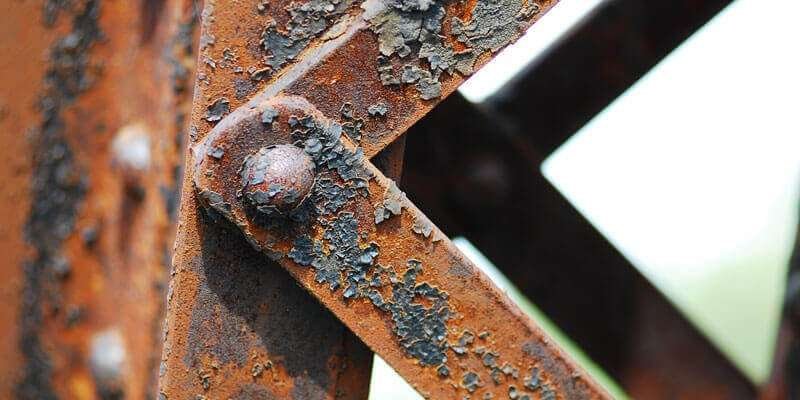
Steel structures located along Nigeria’s coastline face conditions that can accelerate corrosion. High humidity, salt-laden air, moisture, rainfall and industrial pollutants can contribute to the deterioration of exposed steel.
For marine vessels, port equipment, pipelines, storage tanks, offshore structures and other coastal assets, corrosion is more than a surface problem. If it is allowed to progress, it can affect the condition and serviceability of the steel and increase maintenance requirements.
The good news is that corrosion can be managed with the right protection strategy. Protective coatings are an important part of that strategy, but their performance depends on proper surface preparation, coating selection, application and ongoing maintenance.
Why Coastal Steel Structures Corrode Faster
Steel requires protection when it is exposed to environments where moisture, oxygen and corrosive contaminants can reach the metal surface.
Coastal areas add another challenge because airborne salt and chloride-containing moisture can accelerate corrosion. The closer steel is to marine exposure, the more important the selection and maintenance of its corrosion protection system becomes.
In Nigeria, this is particularly relevant to steel assets around coastal and industrial locations such as Lagos, Warri, Port Harcourt and other areas exposed to marine or industrial conditions.
Common assets affected by coastal corrosion include:
- Marine vessels
- Offshore structures
- Port equipment
- Steel pipelines
- Storage tanks
- Bridges
- Industrial structures
- Steel supports and frameworks
Without appropriate protection, corrosion can result in coating deterioration, pitting, loss of steel thickness and increased maintenance requirements.
1. Start With Proper Surface Preparation
One of the most important stages of a corrosion protection project happens before the paint is applied.
A protective coating needs a properly prepared surface to achieve good adhesion and performance. Rust, oil, grease, mill scale, salts, dust and other contaminants should be addressed according to the coating manufacturer’s preparation requirements.
Depending on the project and coating system, surface preparation may involve abrasive blasting, mechanical preparation or other approved methods.
The required preparation standard should always be confirmed from the technical documentation for the selected coating system.
For example, some of Morven’s protective coating products specify particular preparation requirements for steel. PPG SigmaCover 350, for instance, provides different preparation requirements depending on the desired level of corrosion protection.
Why surface preparation matters
Applying an expensive coating over a contaminated or poorly prepared surface can compromise adhesion and lead to premature coating failure.
Before coating, check that the surface is:
- Properly cleaned
- Free from loose rust and contaminants
- Dry where required
- Prepared to the coating manufacturer’s specification
- Suitable for the selected coating system
2. Choose a Protective Coating System for the Environment
Not every paint is designed for the same environment.
A coating system for an indoor steel structure may have very different requirements from one exposed to marine air, salt spray, industrial pollution or immersion.
For coastal steel, the coating system should be selected according to factors such as:
- Level of environmental exposure
- Whether the steel is above water, in a splash zone or immersed
- Expected moisture and salt exposure
- Temperature
- Mechanical wear
- Chemical exposure
- Required maintenance interval
Protective coatings are a major method of defending structural steel from corrosion, but the appropriate system depends on the environment and the intended service conditions.
3. Use the Complete Coating System
A corrosion protection system is not always simply a single coat of paint.
Depending on the specification, a protective system may include a primer, intermediate coat and topcoat. Each layer can perform a different function within the overall system.
Primer
The primer provides the foundation for the coating system and can provide corrosion protection and adhesion to the prepared steel.
Intermediate Coat
An intermediate coating can build the required protective film thickness and provide additional barrier protection.
Topcoat
The topcoat can provide protection against weathering and environmental exposure while also providing the required finish and colour.
For example, Morven supplies products from Sigma, International Paint, Hempel and Jotun for marine and protective coating applications. Its product range includes epoxy primers and protective coatings designed for steel and marine applications.
You can explore Morven’s marine and protective coating products when comparing coating options for a project.
4. Follow the Manufacturer’s Application Requirements
Choosing the right coating is only part of the job.
The coating should also be applied according to the manufacturer’s technical instructions. Factors such as surface preparation, application method, temperature, recoat interval and dry film thickness can affect the performance of a coating system.
Dry film thickness is particularly important. Applying too little material may leave the steel inadequately protected, while excessive thickness can also create coating problems depending on the product and system.
For this reason, project teams should work from the relevant Technical Data Sheet (TDS) rather than relying on a generic application method.
Morven’s product pages provide technical information for several of its marine coating products. For example, the PPG SigmaCover 280 page includes surface preparation, mixing and application information.
5. Inspect Coastal Steel Structures Regularly
Even a properly selected coating system requires inspection and maintenance.
Regular inspections can help identify early signs of coating deterioration before the problem becomes more extensive.
Look for:
- Rust staining
- Blistering
- Peeling or flaking coating
- Cracks
- Pitting
- Exposed steel
- Damage around welds and edges
- Areas where mechanical impact has damaged the coating
Coastal and waterfront structures can experience different corrosion conditions depending on whether steel is exposed to atmospheric, splash, tidal or submerged environments. Protective coatings and, where appropriate, cathodic protection form important parts of corrosion management.
6. Pay Special Attention to Welds, Edges and Joints
Some areas of a steel structure are more difficult to protect consistently than others.
Welds, sharp edges, joints, projections and difficult-to-access areas can create coating challenges.
Good surface preparation and application practices should therefore pay particular attention to these areas.
Guidance for waterfront structures notes that sharp edges and irregular surfaces can make it difficult to maintain a uniform protective coating film, while weld spatter and poorly prepared areas can contribute to corrosion problems.
This is one reason why coating inspection should not focus only on large flat areas of steel.
7. Repair Coating Damage Early
Small coating failures should not be ignored.
When coating damage exposes the underlying steel, moisture and contaminants can reach the substrate and corrosion can begin or continue.
Early repairs can therefore help prevent a small damaged area from becoming a larger maintenance problem.
A practical maintenance programme should include:
- Scheduled inspections
- Identification of coating defects
- Cleaning and preparation of affected areas
- Spot repairs using the specified coating system
- Follow-up inspection
The exact repair method should be based on the coating manufacturer’s recommendations and the condition of the existing system.
What Is the Best Coating for Coastal Steel?
There is no single coating that is automatically the best choice for every coastal steel structure.
The appropriate system depends on the environment, steel condition, exposure zone, required service life, existing coating system and project specification.
For example, Morven’s range includes epoxy anticorrosive primers such as PPG SigmaCover 350, which is described for marine and protective coating applications including topsides, decks, superstructures and cargo holds.
Morven also supplies products such as Jotamastic 90, which is positioned for maintenance and repair applications involving marine and protective environments, including offshore and structural steel applications.
The important point is to select the coating system based on the actual project conditions rather than choosing a product simply because it is labelled “marine paint.”
Coastal Steel Corrosion Protection in Nigeria
For companies operating around Nigeria’s coastal and marine environments, corrosion protection should be considered part of the asset maintenance plan rather than an emergency repair measure.
A practical approach is to:
- Assess the exposure environment
- Inspect the existing steel condition
- Prepare the surface correctly
- Select a suitable protective coating system
- Follow the manufacturer’s application requirements
- Verify the coating application
- Inspect the structure regularly
- Repair coating damage early
This approach can help reduce avoidable maintenance problems and keep important steel assets protected.
If you are sourcing marine paint, protective coatings or anti-corrosion coating systems in Nigeria, Morven Industrial supplies products from major coating brands and can assist with product selection based on your project requirements.
Contact Morven Industrial to discuss your marine or coastal steel protection requirements.
Posts Widget
- 1

- 2

- 3

- 4

