
How to Choose and Source Chlorinated Rubber Resin in Nigeria
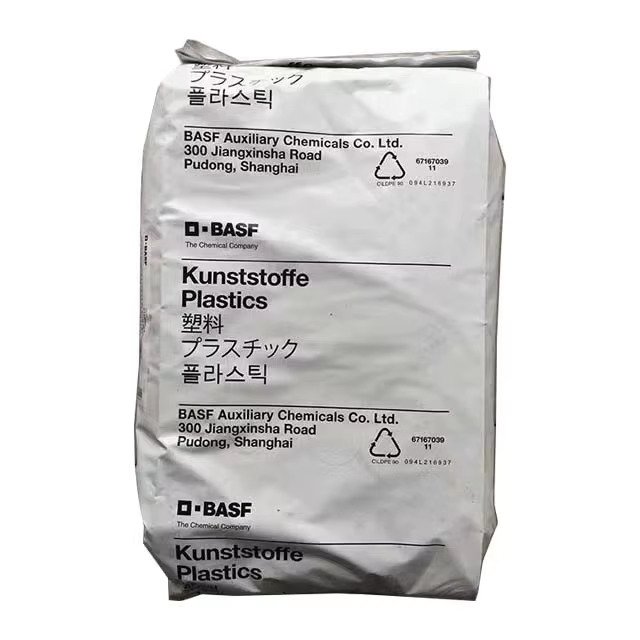
Choosing the right chlorinated rubber resin is an important decision for manufacturers, paint formulators and procurement teams. The resin used in a coating formulation can influence film formation, drying behaviour, adhesion, water resistance and the overall performance of the finished coating.
For buyers in Nigeria, sourcing the right material also involves more than finding the lowest price. The resin grade, technical documentation, supplier reliability, storage conditions and consistency between batches can all affect production and final product quality.
If you are looking for chlorinated rubber resin in Nigeria, it is important to understand what to check before placing an order. This guide explains the main factors buyers should consider when selecting and sourcing chlorinated rubber resin for industrial coating applications.
What Is Chlorinated Rubber Resin?
Chlorinated rubber resin is a chlorine-containing resin used as a film-forming material in coatings and other industrial formulations. It is produced by modifying rubber through chlorination and is commonly supplied as a solid resin material.
In coating formulations, chlorinated rubber resin can contribute to film formation, barrier protection and fast-drying characteristics. Depending on the grade and formulation, it can be used in applications such as protective coatings, marine-related coatings, road marking coatings and other industrial coating systems.
The exact performance of a finished coating does not depend on the resin alone. Pigments, fillers, additives, solvents, other resins and the application process can all affect the final result.
For this reason, buyers should select the resin according to the intended formulation rather than simply purchasing a material because it is labelled “chlorinated rubber resin.”
What Is Chlorinated Rubber Resin Used For?
Chlorinated rubber resin is used in different coating applications where its particular combination of film-forming and application characteristics can be useful.
- Protective and anticorrosive coatings
- Marine and maintenance coatings
- Road marking coatings
- Industrial coatings
- Swimming pool coatings
- Coatings for metal and other suitable substrates
Industry sources also identify chlorinated rubber-based coatings in applications involving steel construction, ships, flooring, road marking and other environments where water and moisture resistance can be important. :contentReference[oaicite:2]{index=2}
However, not every chlorinated rubber resin grade is automatically suitable for every application. The intended use should always be matched with the technical information provided for the specific grade.
What Should You Check Before Buying Chlorinated Rubber Resin?
1. Start With the Technical Specification
One of the most important mistakes a buyer can make is comparing prices before comparing technical specifications.
Different grades of chlorinated rubber resin can have different characteristics. Before purchasing, ask the supplier for the relevant technical documentation and review the information against your formulation requirements.
Depending on the grade, useful information may include:
- Resin grade
- Chlorine content
- Viscosity
- Solubility characteristics
- Moisture or volatile matter
- Appearance
- Recommended applications
- Packaging information
- Storage requirements
The specific values should come from the manufacturer’s technical data rather than being assumed from a general description of chlorinated rubber resin.
2. Ask for the Technical Data Sheet
A Technical Data Sheet (TDS) is one of the most useful documents when evaluating an industrial raw material.
The TDS should help you understand the material’s intended application, technical characteristics and recommended handling or formulation conditions.
Before purchasing chlorinated rubber resin, compare the supplier’s documentation with the requirements of your existing formulation. This can help reduce the risk of purchasing a grade that does not perform as expected during production.
It is also useful to request the relevant Safety Data Sheet (SDS) so that your production and handling teams have the necessary safety information for the material.
3. Confirm the Original Manufacturer and Product Grade
Buyers should know where the resin originated and exactly which grade they are purchasing.
Ask the supplier:
- Who manufactured the resin?
- What is the exact product or grade name?
- What is the country of origin?
- Can the product documentation be provided?
- Is the material supplied in its original packaging?
- Can the batch or lot number be traced?
Traceability becomes particularly important when the resin is being used in regular production. If a formulation performs differently from one batch to another, the ability to identify the material and batch can make troubleshooting much easier.
4. Check Batch Consistency
For manufacturers, consistency is often just as important as the initial quality of the material.
A resin that performs well in one production batch but behaves differently in another can create problems with viscosity, drying, film formation, application and finished coating performance.
Where available, buyers should request a Certificate of Analysis (COA) or equivalent batch documentation and compare the supplied material with the manufacturer’s stated specifications.
For regular industrial production, it is also useful to work with suppliers who can maintain consistency in product grade and supply.
5. Examine Packaging and Storage Conditions
Industrial raw materials need to be stored appropriately before they are used in production.
When purchasing chlorinated rubber resin, inspect the condition of the packaging and confirm that the material has been stored according to the manufacturer’s recommendations.
Look for:
- Sealed and undamaged packaging
- Clear product identification
- Batch or lot information
- Manufacturing or relevant date information where provided
- Suitable warehouse conditions
- Protection from conditions that could affect the material
Good storage and proper stock management help reduce the possibility of material deterioration before it reaches the production line.
Why Price Should Not Be the Only Buying Factor
Price is naturally an important part of industrial procurement, but the cheapest quotation is not necessarily the lowest-cost option once production risks are considered.
A lower-priced material may become expensive if it causes formulation adjustments, production delays, inconsistent coating performance or rejected finished products.
Instead of comparing only the price per kilogram, buyers should consider the complete value of the material, including:
- Technical suitability
- Batch consistency
- Documentation
- Packaging
- Availability
- Delivery time
- Technical support
- Compatibility with the existing formulation
The objective should be to purchase a resin that consistently meets the requirements of the intended application.
Test the Resin Before Placing a Large Order
When introducing a new resin grade or changing suppliers, small-scale testing can be a practical step before committing to a large purchase.
Manufacturers can evaluate the resin in their own formulation and compare the results with their existing material.
Depending on the application, testing may include factors such as:
- Mixing and dispersion behaviour
- Viscosity
- Drying behaviour
- Film formation
- Adhesion
- Water resistance
- Compatibility with other formulation components
- Appearance of the finished coating
The appropriate tests will depend on the formulation and the finished product being manufactured.
Pilot testing is particularly useful when the resin will be used in a production system where changing the raw material after a large purchase could be costly or disruptive.
Consider Supplier Reliability in Nigeria
For Nigerian manufacturers, sourcing is not only about product quality. Availability and delivery reliability also matter.
Before placing an order, ask the supplier about current stock, expected delivery time, available quantities and future supply arrangements.
This is especially important for manufacturers working with regular production schedules. A suitable resin that is repeatedly unavailable can create more operational problems than a slightly higher-priced material that can be supplied consistently.
A reliable industrial supplier should also be able to provide relevant product information and help buyers understand the material they are purchasing.
Where Chlorinated Rubber Resin Fits Into a Coating System
Chlorinated rubber resin is only one component of a coating formulation. The final coating system may also contain pigments, fillers, additives, solvents, plasticizers or other compatible resins depending on the formulation.
This means the resin should be evaluated as part of the complete coating system rather than in isolation.
For example, Morven Industrial supplies a range of painting and protective coating products for industrial and marine applications.
Morven also supplies industrial chemicals in Nigeria for different manufacturing and industrial applications.
Where a coating system involves existing or aged coatings, compatibility is also important. For example, PPG SigmaCover 280 is listed by Morven as being suitable for overcoating with chlorinated rubber systems, among other coating types.
Similarly, PPG SigmaCover 456 is described as having good adhesion to most aged, sound alkyd, chlorinated rubber and epoxy coatings. These examples show why coating compatibility should be checked as part of the complete system specification rather than assumed.
Chlorinated Rubber Resin for Road Marking and Protective Coatings
Chlorinated rubber-based coating systems can be used in applications where fast drying, water resistance and practical maintenance characteristics are required. Road marking is one application area associated with chlorinated rubber coating systems.
Morven Industrial also supplies different road marking products, including thermoplastic and polyurethane road marking solutions. Buyers should remember that different road marking technologies have different formulations and application methods.
For this reason, the resin used in a particular coating should always be selected according to the technical requirements of the finished product rather than assuming that every road marking paint uses the same resin system.
Questions to Ask a Chlorinated Rubber Resin Supplier
Before placing an order, procurement teams can use the following checklist:
- What is the exact resin grade?
- Who is the original manufacturer?
- Can you provide the Technical Data Sheet?
- Can you provide the Safety Data Sheet?
- Is batch documentation or a Certificate of Analysis available?
- What are the recommended applications for this grade?
- What are the storage requirements?
- What packaging sizes are available?
- Is the required quantity currently available?
- What is the expected delivery time?
- Can a sample be provided for formulation testing?
Getting clear answers to these questions can make the procurement process easier and reduce avoidable formulation and supply risks.
How to Source Chlorinated Rubber Resin in Nigeria
The right sourcing decision starts with understanding your formulation requirements before requesting quotations.
Instead of choosing a resin based only on price, compare the technical specification, manufacturer information, documentation, batch consistency, packaging, storage conditions and supplier reliability.
For manufacturers and paint formulators, a small trial can also provide useful information about how a particular grade performs in the intended formulation before a larger quantity is purchased.
Morven Industrial supplies industrial chemicals, raw materials and protective coating products in Nigeria and works with customers across manufacturing, marine, oil and gas, construction and other industrial sectors.
If you are looking for chlorinated rubber resin in Nigeria, contact Morven Industrial with your required grade, quantity and application requirements so the appropriate material and supply option can be discussed.
Note: Product suitability should always be confirmed using the manufacturer’s current Technical Data Sheet and Safety Data Sheet for the specific resin grade being purchased.
Posts Widget
- 1

- 2

- 3

- 4

